
If you’re feeling a sharp pain in your knee, especially when twisting or squatting, you might be dealing with a meniscus tear.
Whether it happens during sports, at the gym, or just stepping off the curb the wrong way, a torn meniscus can seriously slow you down. But here’s the good news, physiotherapy for meniscus injuries can help you recover and in many cases, avoid surgery altogether.
What Is the Meniscus, Anyway?
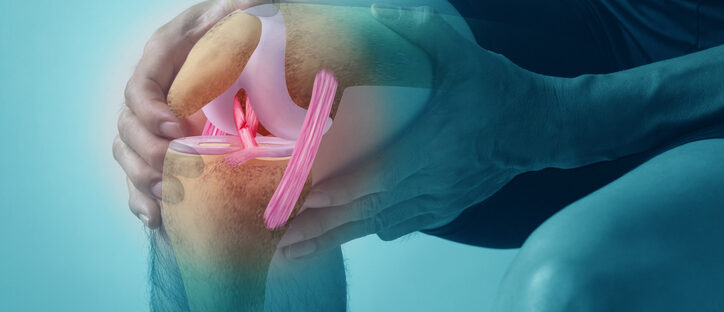
The meniscus is a rubbery piece of cartilage in your knee that acts like a shock absorber. You’ve got two in each knee, one on the inside (medial) and one on the outside (lateral). The knee meniscus acts as a shock absorber and helps stabilize the knee joint.
A torn meniscus can result from any activity that causes you to forcefully rotate or twist your knee. This includes a sudden stop or turn or an aggressive pivoting action. Even deep squatting or lifting something heavy with knees bent can lead to a torn meniscus.
Common Meniscus Tear Symptoms
- Pain when squatting, twisting, or going down stairs
- Swelling and stiffness in the knee
- Clicking, catching, or locking
- Trouble fully straightening the leg
- Feeling like your knee’s going to “give out”
Do You Always Need Surgery for a Meniscus Tear?
Physiotherapy can help with the healing of meniscus tears especially if:
- The tear is small or on the outer edge
- You can walk without severe pain
- You’re not dealing with a complex tear or major instability
Surgery is still needed in some cases (especially for younger athletes or larger tears), but conservative treatment with physiotherapy is often the smarter first step.
How Physiotherapy Helps Heal a Torn Meniscus
When you work with a physiotherapist who specializes in knee injuries, the goal is to reduce pain, restore movement, and build back strength.
Physiotherapy treatment may include:
Pain + Swelling Control
Physiotherapy starts with trying to reduce the inflammation. This may include education on frequent icing and elevation, taping, and manual therapy.
Mobility Work
With a torn meniscus you will probably lose some range of motion. We guide you through safe movements to restore full flexion and extension.
Strength Training
Your quads, hamstrings, and glutes all support your knee. Physiotherapy includes strengthening these muscles to stabilize the knee and prevent further injury.
Balance + Stability Drills
A torn meniscus affects the stability of the knee. Neuromuscular training after a meniscus tear focuses on balance, coordination and muscle control and helps restore proper knee function, improve strength and stability, and reduce the risk of re-injury.
Return to Activity Planning
Whether it’s walking, squatting, or getting back to sports, physiotherapy can help you get there with a structured, progressive plan.
Ready to Get Moving Again?
Don’t let knee pain sideline you. Contact the physiotherapists at the Durham Orthopedic & Sports Injury Clinic today to book an appointment!
