
Uncategorized

Why Rainy Weather Makes Muscle Tension Worse  And How Massage Therapy Can Help

If you’ve ever noticed your muscles feeling tighter or more achy when it’s raining, you’re not imagining it.

At Durham Orthopedic & Sports Injury Clinic, a physiotherapy and massage therapy clinic in Ajax, we hear this all the time especially during the spring months when the weather is constantly changing.

The good news? There are real reasons behind it and even better, there are ways to fix it.

Why Does Rainy Weather Make Muscle Tension Worse?

1. Changes in Air Pressure (Barometric Pressure)

When the weather shifts and rain rolls in, the atmospheric pressure drops.

This can cause:

  • Slight expansion in muscles and surrounding tissues
  • Increased sensitivity in joints
  • A general feeling of stiffness or tightness

For people already dealing with tension or past injuries, this can make symptoms feel worse.

2. Cooler Temperatures Tighten Muscles

Rainy days often come with cooler temperatures, which can cause muscles to contract more.

You might notice:

  • More stiffness in your neck and shoulders
  • Reduced flexibility
  • A more difficult  time “loosening up”

3. Less Movement on Rainy Days

    When it’s grey and raining, most people move less.

Less movement =

  • Muscles staying in one position longer
  • Increased tightness
  • Reduced circulation

This is especially common for people working at desks or commuting long hours.

4. Stress & Mood Changes

Weather can affect your mood more than you think.

On rainy days:

  • People tend to feel more sluggish
  • Stress levels can creep up
  • Muscles naturally hold more tension

This often shows up in the neck, shoulders, and upper back.

Common Areas Affected

During rainy weather, we typically see increased tension in:

  • Neck and shoulders
  • Upper back
  • Lower back
  • Hips

Neck Pain When Turning Your Head

How Massage Therapy Can Help

Massage therapy isn’t just about relaxation,  it’s one of the most effective ways to reduce muscle tension and improve how your body moves.

At our clinic in Ajax, massage therapy can help:

Reduce Muscle Tightness

Hands-on treatment helps release built-up tension and improve flexibility.

Improve Blood Flow

Better circulation helps your muscles recover and stay loose.

Decrease Pain & Stiffness

Targeted treatment can relieve the exact areas affected by weather-related tension.

Promote Relaxation

Massage helps calm your nervous system, reducing overall stress levels.

What You Can Do at Home

To manage muscle tension during rainy weather:

  • Stay active (even light movement helps)
  • Stretch regularly, especially your neck and shoulders
  • Use heat (like a heating pad or warm shower)
  • Maintain good posture throughout the day

When Should You Book a Massage?

If you notice:

  • Persistent tightness during weather changes
  • Pain that keeps coming back
  • Limited movement or stiffness
  • Increased tension from stress or work

It’s a good time to get ahead of it before it gets worse.

Massage Therapy in Ajax Can Help You Feel Better, Fast

Contact the Durham Orthopedic & Sports Injury Clinic, we help people across Ajax and Durham Region stay ahead of muscle tension, especially during seasonal changes like spring.

Whether your symptoms are mild or ongoing, massage therapy can help you move better, feel looser, and get back to your normal routine.

neck pain when turning head while driving
Uncategorized

Pain When Turning Your Neck While Driving? Here’s What It Means

If you feel pain or stiffness when turning your head to check your blind spot while driving, you’re not alone.

This is one of the most common complaints we see at Durham Orthopedic & Sports Injury Clinic, especially among people who sit for long periods, commute regularly, or spend a lot of time on their phones or computers.

The good news? It’s usually very treatable once you understand what’s causing it.

What Causes Neck Pain When Turning Your Head?

Neck pain during rotation (turning your head side to side) is often linked to how your joints and muscles are moving together.

Here are the most common causes:

1. Joint Stiffness (Cervical Spine Restrictions)

Your neck is made up of small joints that allow smooth movement.
When these joints become stiff, often from posture or inactivity. Turning your head can feel tight or painful.

Common signs:

  • Sharp or pinching pain when turning
  • Limited range of motion
  • Worse after sitting or driving for long periods

2. Muscle Tightness & Imbalances

Tight muscles (especially in the upper traps and levator scapulae) can restrict movement and pull your neck out of alignment.

You might notice:

  • A pulling or stretching pain
  • One side feeling tighter than the other
  • Relief after moving or stretching

3. Poor Driving & Desk Posture

If your head is constantly pushed forward (very common with screens and driving), it puts extra strain on your neck.

Over time, this leads to stiffness and pain when you try to rotate.

4. Previous Injury (Like Whiplash)

Even old injuries can leave lingering stiffness or instability in the neck.

If you’ve ever had a car accident or sudden neck movement injury, it may still be affecting how your neck moves today.

Why This Matters (Don’t Ignore It)

Pain when turning your head isn’t just annoying, it can actually affect your safety while driving.

If you can’t comfortably check your blind spots, your reaction time and awareness on the road can be reduced.

What You Can Do Right Now

Here are a few simple things that can help:

Improve Your Driving Position

  • Sit upright with your head stacked over your shoulders
  • Adjust mirrors so you don’t have to turn as far
  • Avoid leaning forward toward the wheel

Gentle Mobility Exercises

Try slow, controlled neck rotations (within a pain-free range).
Avoid forcing the movement, that can make things worse.

Take Breaks From Sitting

If you’re driving long distances or working at a desk:

  • Get up every 30–60 minutes
  • Reset your posture
  • Move your neck through comfortable ranges

When Should You See a Physiotherapist?

If your neck pain:

  • Has lasted more than a week
  • Is getting worse
  • Limits your ability to drive safely
  • Keeps coming back 

It’s time to get it properly assessed.

How Physiotherapy in Ajax Can Help

At Durham Orthopedic & Sports Injury Clinic, we don’t just treat the pain, we figure out why it’s happening.

Your treatment may include:

  • Hands-on therapy to improve joint movement
  • Targeted exercises to restore strength and mobility
  • Posture correction strategies
  • A plan to prevent the issue from coming back

Get Back to Driving Comfortably

You shouldn’t have to wince every time you check your blind spot.

With the right treatment plan, most people see significant improvement in just a few sessions.

If you’re dealing with neck pain while driving, contact the physiotherapists at Durham Orthopedic & Sports Injury Clinic to book an assessment with our team in Ajax and get back to moving comfortably again.

Uncategorized

Pain in the Front of Your Shoulder? Here’s What It Means

If you’re feeling pain in the front of your shoulder, especially when lifting your arm or reaching forward, you’re not alone.

This is one of the most common issues we see at our Ajax physiotherapy clinic, and it usually points to a specific type of shoulder problem, not just general soreness.

What Causes Pain in the Front of the Shoulder?

Front shoulder pain is often linked to how your shoulder moves and how the surrounding muscles are working together.

Here are the most common causes:

1. Shoulder Impingement

This happens when tendons get pinched during movement.

Common signs:

  • Pain when lifting your arm
  • Pinching sensation at the front of the shoulder
  • Worse with overhead movement

2. Biceps Tendon Irritation

The biceps tendon runs right through the front of your shoulder — and it’s a frequent source of pain.

You might notice:

  • Sharp pain in the front of the shoulder
  • Pain when reaching or lifting
  • Tenderness when pressing the area

3. Shoulder Bursitis

Bursitis is inflammation of a fluid-filled sac that helps reduce friction.

Symptoms include:

  • Swelling or a “full” feeling
  • Pain when moving the arm forward or up
  • Discomfort when lying on that side

4. Rotator Cuff Strain

Even though it’s often felt deeper, rotator cuff issues can show up as front shoulder pain.

Signs:

  • Weakness
  • Pain with movement
  • Difficulty lifting objects

What Makes Front Shoulder Pain Worse?

A lot of people unintentionally make it worse by:

  • Pushing through pain at the gym
  • Poor posture (rounded shoulders)
  • Repetitive movements (work, lifting,)
  • Sleeping on the affected side

How Physiotherapy Can Help

At Durham Orthopedic & Sports Injury Clinic, we don’t just treat the pain  we fix the cause.

Your treatment may include:

  • Targeted strengthening (rotator cuff + scapular muscles)
  • Improving shoulder mechanics
  • Reducing inflammation
  • Posture correction
  • Hands-on manual therapy

What You Can Do Right Now

If your shoulder is flared up:

  • Ice the front of the shoulder (10–15 minutes)
  • Avoid painful overhead or forward movements
  • Keep gentle movement (don’t fully rest it)
  • Fix your posture (shoulders back, chest open)

When Should You Get It Checked?

You should see a physiotherapist if:

  • Pain lasts more than a few days
  • It’s getting worse instead of better
  • You have limited range of motion
  • You feel weakness or instability

If you’re dealing with pain in the front of your shoulder, our Ajax physiotherapy team can help you figure out exactly what’s going on and fix it properly.

Contact us today to book an assessment today at Durham Orthopedic & Sports Injury Clinic.

Uncategorized

Pushed Too Hard at the Gym? You’re Not Alone

Whether you’re getting back into fitness or pushing for a new PR, gym injuries are more common than most people think.

At our clinic in Ajax, we regularly see people dealing with pain after:

  • Lifting too heavy
  • Poor form during exercises
  • Skipping warm-ups
  • Increasing intensity too quickly

The good news? Most of these injuries are very treatable, especially if you catch them early.

Common Gym Injuries We See at Durham Orthopedic & Sports Injury Clinic

Some of the most frequent gym related injuries include:

  • Lower back strains from deadlifts or squats
  • Shoulder injuries (rotator cuff irritation) from pressing movements
  • Knee pain from lunges or running
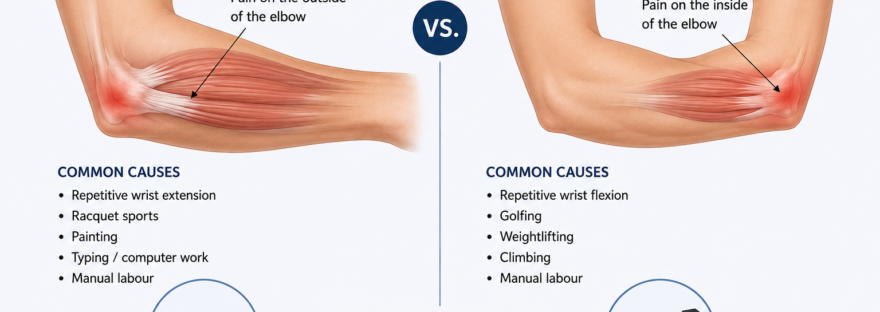
  • Elbow pain (tennis/golfer’s elbow) from overuse
  • Muscle strains from sudden overload

When Should You See a Physiotherapist?

Not every ache needs treatment, but here’s when you shouldn’t wait:

  • Pain lasts more than 3–5 days
  • Pain is getting worse, not better
  • You feel sharp, pinching, or pulling sensations
  • You’ve lost strength or range of motion
  • It’s affecting your workouts or daily life

If you’re unsure, it’s always better to get it checked early than push through and make it worse.

How Physiotherapy in Ajax Can Help

At Durham Orthopedic & Sports Injury Clinic, we don’t just treat the pain, we look at the possible cause.

Your treatment plan may include:

  • Hands-on therapy to reduce pain and stiffness
  • Strength and mobility exercises
  • Movement/form correction
  • Gradual return-to-gym programming

What You Should Do Right After an Injury

If you’ve just hurt yourself at the gym:

  • Stop the movement immediately
  • Avoid pushing through pain
  • Apply ice if there’s swelling
  • Rest the area (but don’t stay completely inactive)

Then monitor symptoms over the next couple of days.

The Biggest Mistake: “I’ll Just Push Through It”

This is the fastest way to turn a small issue into a long-term injury and may result in::

  • Chronic pain
  • Compensation injuries
  • Weeks (or months) out of the gym

When to Book a Physiotherapy Appointment in Ajax

If your pain isn’t improving or is limiting your movement, it’s time to get professional help. Contact our team of physiotherapists and Massage Therapists at the Durham Orthopedic & Sports Injury Clinic in Ajax at 905-4287800.

Physiotherapy treatment for shin splints in Ajax
Uncategorized

Shin Splints: Why They Happen and How Physiotherapy in Ajax Can Help

If you’ve recently started running again, increased your workouts, or joined a local sports league, you may have noticed pain along the front of your lower leg. This condition, commonly known as shin splints, is one of the most frequent injuries seen in runners and active individuals.

At Durham Orthopedic & Sports Injury Clinic, we regularly help patients in Ajax and across the Durham Region recover from shin splints and safely return to the activities they enjoy.

What Are Shin Splints?

Shin splints refer to pain along the tibia (shin bone) caused by inflammation of the muscles, tendons, and bone tissue around the lower leg. The medical term for this condition is medial tibial stress syndrome.

The pain typically develops:

  • Along the inside edge of the shin
  • During or after running or exercise
  • After suddenly increasing physical activity

Many runners in Ajax experience shin splints when returning to outdoor training in the spring or increasing mileage too quickly.

Common Causes of Shin Splints

Shin splints usually occur when the lower leg muscles and tendons are overworked or overloaded.

Common causes include:

  • Increasing running distance or intensity too quickly
  • Starting a new fitness routine
  • Running on hard surfaces like sidewalks or pavement
  • Wearing worn-out or unsupportive shoes
  • Having poor running mechanics

Athletes participating in sports like running, soccer, basketball, and pickleball often experience shin splints due to repetitive impact on the lower legs.

Signs You May Have Shin Splints

Common symptoms include:

  • Tenderness along the inner part of the shin
  • Mild swelling in the lower leg
  • Pain that worsens during exercise
  • Discomfort that improves with rest

If pain becomes severe or continues even during rest, it’s important to have the injury assessed to rule out more serious conditions such as a stress fracture.

How Physiotherapy in Ajax Can Help

Physiotherapy plays an important role in both treating shin splints and preventing them from returning.

At Durham Orthopedic & Sports Injury Clinic in Ajax, treatment may include:

Injury Assessment

A physiotherapist will assess your movement patterns, running mechanics, and muscle imbalances to determine the cause of your shin pain.

Targeted Strengthening

Weakness in the calves, hips, and ankles can increase strain on the shin. Strengthening these areas helps reduce stress on the lower leg.

Mobility and Stretching

Tight calf muscles and limited ankle mobility can contribute to shin splints. Guided stretching and mobility exercises can help restore proper movement.

Activity Modification

Your physiotherapist may recommend temporary adjustments to your training routine to allow the injury to heal while keeping you active.

Return-to-Running Plan

A gradual return-to-sport program helps ensure you can run, train, or play sports safely without re-injuring the area.

Preventing Shin Splints

There are several steps runners and athletes in Ajax can take to reduce the risk of shin splints:

  • Increase training gradually
  • Replace worn running shoes
  • Warm up before exercise
  • Strengthen the calves, hips, and core
  • Avoid sudden increases in running distance

Many runners in the Ajax area find that proper strength training and mobility work can significantly reduce lower leg injuries.

When to See a Physiotherapist

If shin pain lasts longer than a few days or continues to interfere with your workouts, it’s a good idea to seek professional help.

Early treatment can prevent shin splints from developing into long-term injuries that keep you away from running or sports.

Contact the Durham Orthopedic & Sports Injury Clinic, our team of physiotherapists help patients in Ajax and throughout the Durham Region recover from sports injuries and return to activity safely.

If you’re experiencing shin pain while running or exercising, physiotherapy can help you recover and prevent future injuries.

Uncategorized

Returning to Running This Spring? 5 Tips to Avoid Knee and Shin Pain

As the weather warms up, many people across Durham Region lace up their running shoes and head back outside. After months of colder weather and reduced activity, it’s common to feel motivated to get moving again.

But returning to running too quickly can often lead to injuries like knee pain, shin splints, or muscle strains.

If you’re planning to start running again this spring, taking a gradual and mindful approach can help you stay active while avoiding setbacks.

Why Running Injuries Are Common in the Spring

One of the biggest reasons injuries occur this time of year is sudden increases in activity.

During the winter months, many people reduce their activity levels or switch to different types of exercise. When spring arrives, runners sometimes jump back into their old routines too quickly.

This can place extra stress on muscles, tendons, and joints that may not be fully conditioned for the workload.

Common spring running injuries include:

  • Patellofemoral syndrome
  • Shin splints
  • Achilles tendon irritation
  • Calf strains
  • IT band syndrome

The good news is that most of these injuries can often be prevented with the right approach.

1. Start Slower Than You Think

One of the most effective ways to avoid injury is to gradually rebuild your running volume.

Even if you were running regularly last year, your body may need time to adapt again.

Try starting with shorter runs and slower pacing during the first few weeks. Increasing distance or intensity gradually helps your muscles and joints adjust to the workload.

2. Don’t Skip Your Warm-Up

Many running injuries occur because muscles are tight or unprepared for movement.

Before heading out, spend a few minutes doing light dynamic movements such as:

  • Leg swings
  • Walking lunges
  • Light jogging
  • Hip mobility exercises

A proper warm-up increases blood flow and prepares your muscles for activity.

3. Pay Attention to Early Signs of Pain

A small ache can sometimes be the first warning sign of a developing injury.

Common early symptoms runners notice include:

  • Knee discomfort when going downstairs
  • Tightness along the front of the shin
  • Persistent calf tightness
  • Hip or outer knee soreness

If pain continues during or after multiple runs, it may be worth getting assessed before the issue becomes more serious.

4. Mix in Strength Training

Strong muscles help support your joints and improve running mechanics.

Exercises that can support runners include:

  • Glute bridges
  • Squats
  • Step-ups
  • Core strengthening

Adding strength training a few times per week can reduce the risk of overuse injuries.

5. Give Your Body Time to Recover

Rest and recovery are essential when increasing activity levels.

Try alternating running days with lower-impact activities like walking, cycling, or mobility work. This allows your tissues time to adapt and recover between sessions.

Sleep, hydration, and proper nutrition also play an important role in injury prevention.

When to Seek Help for Running Pain

If pain persists, worsens, or begins to affect your daily activities, it may be helpful to have a professional assessment.

Physiotherapy can help identify the underlying cause of pain and provide a personalized plan to support recovery and safe return to activity.

Stay Active This Spring

Spring is a great time to get moving again and enjoy outdoor activity throughout Ajax and the Durham Region. With a gradual approach and attention to how your body feels, many common running injuries can be avoided.

If you’re experiencing knee pain, shin splints, or other running-related discomfort, contact the team at Durham Orthopedic & Sports Injury Clinic can help assess the issue and guide your recovery.

Uncategorized

Can Massage Therapy Help Knee Pain?

If you’re dealing with knee pain, your first thought might be that the joint itself is damaged.

But in many cases, knee pain isn’t only about the knee.

Tight muscles in the quadriceps, hamstrings, calves, or IT band can increase stress on the joint and change how it moves. When surrounding tissues become tight or overworked, discomfort often follows.

Massage therapy can play an important role in reducing that tension and supporting recovery.

How Massage Therapy Can Reduce Knee Pain

Massage therapy may help by:

  • Reducing muscle tightness around the knee
  • Improving circulation to irritated tissues
  • Decreasing stiffness
  • Supporting recovery after workouts
  • Helping manage flare-ups

For many patients, knee pain improves when muscle tension is addressed alongside strengthening.

When Massage Is Most Helpful

Massage therapy is especially useful when knee pain is linked to:

  • Tight quadriceps
  • IT band irritation
  • Calf tightness
  • Overuse from sports or gym training
  • Muscle soreness after increased activity

If your knee feels stiff, tight, or achy rather than unstable or severely swollen, massage may provide meaningful relief.

When Massage Alone May Not Be Enough

Massage therapy is excellent for soft tissue tension, but it doesn’t correct underlying weakness or joint mechanics.

These may include such issues as:

  • Arthritis
  • Meniscus irritation
  • Ligament instability
  • Poor hip or ankle mechanics

Massage vs Physiotherapy for Knee Pain

Massage focuses on:

  • Muscle relaxation
  • Circulation
  • Soft tissue release

Physiotherapy focuses on:

  • Strengthening
  • Joint mechanics
  • Movement retraining
  • Long-term correction

What to Expect During a Massage for Knee Pain

Your Registered Massage Therapist may assess:

  • Quadriceps tension
  • Hamstrings
  • Calf muscles
  • IT band
  • Hip mobility

Treatment typically avoids direct pressure on inflamed joints and instead focuses on surrounding tissues. After treatment, mild soreness is normal, but you should feel improved mobility and reduced tightness.

At-Home Tips to Support Knee Relief

Stay active within pain limits
Stretch quads and calves gently
Strengthen glutes and the muscles of the hip joint
Ice after flare-ups
Avoid deep painful movements temporarily until the pain improve

Massage works best when paired with smart movement.

When Should You Seek an Assessment?

Book an appointment if:

  • Pain lasts more than 2–3 weeks
  • You notice swelling or instability
  • Pain interferes with stairs or walking
  • Knee discomfort keeps returning

Early care prevents chronic compensation patterns.

Massage Therapy for Knee Pain in Ajax

If knee pain is limiting your workouts, workday, or daily activities, massage therapy at Durham Orthopedic Clinic may help reduce muscle tension and support recovery.

Contact us today for an assessment to determine whether massage alone is appropriate or whether combining it with physiotherapy will provide better long-term results.

Staying active and pain-free is possible with the right plan.

Uncategorized

Neck Pain and Headaches: What’s the Connection?

If you deal with frequent headaches, you might be surprised to learn that the problem isn’t always in your head.

For many people, headaches are closely linked to neck pain, muscle tension, and posture, especially with long hours at a desk, commuting, stress, or poor sleep positions. Understanding the connection between neck pain and headaches can help you get the right treatment and lasting relief.

How Neck Pain Can Cause Headaches

Your neck plays a bigger role in headaches than most people realize. The muscles, joints, and nerves in the upper neck share close connections with the structures that transmit pain signals to the head.

When the neck becomes stiff, irritated, or strained, it can trigger headaches through:

  • Muscle tension and tightness
  • Joint irritation in the upper cervical spine
  • Compression or irritation of nearby nerves

These headaches are often referred to as cervicogenic headaches, meaning the pain originates in the neck but is felt in the head.

Signs Your Headache May Be Coming From Your Neck

Not all headaches are neck-related, but there are some common clues that point in that direction.

Neck-related headaches often:

  • Start at the base of the skull and spread upward
  • Feel worse with certain neck movements or prolonged postures
  • Come with neck stiffness or limited range of motion
  • Are one-sided, though they can affect both sides
  • Get worse after long periods of sitting or screen use

Many people notice their headaches worsen by the end of the workday or after long commutes, desk work, or poor sleep.

Common Causes of Neck-Related Headaches

Several everyday factors can contribute to neck pain and headaches, including:

Poor Posture

Slouching, forward head posture, and prolonged screen use increase strain on the neck muscles and joints, especially common for office workers and remote workers in Ajax.

Muscle Tension and Stress

Stress often leads to unconscious muscle tightening in the neck and shoulders, which can trigger headaches over time.

Sleeping Positions

Sleeping on your stomach or using the wrong pillow can place your neck in awkward positions for hours at a time.

Previous Injuries

Old neck injuries, even those that seemed minor, can leave lingering movement restrictions that contribute to recurring headaches.

How Physiotherapy Can Help

Physiotherapy focuses on addressing the root cause, not just the symptoms.

Treatment for neck-related headaches may include:

  • Manual therapy to improve joint mobility
  • Soft tissue techniques to reduce muscle tension
  • Targeted exercises to strengthen and support the neck
  • Postural education and ergonomic advice
  • Movement strategies to prevent recurrence

Rather than relying on medication alone, physiotherapy aims to restore normal movement and reduce the strain that triggers headaches in the first place.

When Should You Seek Treatment?

Occasional headaches can happen to anyone, but it’s worth seeking professional care if:

  • Your headaches are becoming more frequent
  • Neck pain and stiffness accompany your headaches
  • Symptoms interfere with work, sleep, or daily activities
  • Pain keeps returning despite rest or medication

A proper assessment can help determine whether your headaches are neck-related and guide appropriate treatment.

Helping Ajax Residents Feel Better, Longer

If neck pain and headaches have become part of your routine, you don’t have to accept them as normal. With proper assessment and treatment, many people experience meaningful, long-term improvement.

If you’re in the Durham Region and dealing with recurring headaches or neck pain, contact the professional physiotherapists at the Durham Orthopedic Clinic & Sports Injury Clinic to help uncover what’s really driving your symptoms and get you back to feeling your best.

Uncategorized

Knee Pain Isn’t Just “Getting Older”

If you’re over 40 and starting to notice knee pain during stairs, workouts, or long walks, it’s easy to assume: “It’s probably arthritis.” While osteoarthritis is common, it’s far from the only reason your knee might be hurting. In fact, many cases of knee pain in adults over 40 are caused by treatable muscle imbalances, tendon irritation, or joint mechanics, not severe joint damage.

The key is understanding the difference.

What Is Knee Osteoarthritis?

Osteoarthritis happens when the cartilage inside the knee joint gradually wears down over time.

Common signs include:

  • Morning stiffness that improves with movement
  • Gradual onset of pain over months or years
  • Aching pain with prolonged walking
  • Crunching or grinding sensation
  • Mild swelling after activity

Arthritis pain usually develops slowly and progressively.

Other Common Causes of Knee Pain After 40

Many patients in Durham Region are surprised to learn their knee pain is caused by something else entirely.

1️⃣ Meniscus Irritation

Small cartilage cushioning structures in the knee can become irritated or slightly torn, especially after twisting movements.

Signs:

  • Pain with twisting
  • Catching or locking sensation
  • Swelling after activity

2️⃣ Tendinitis (Overuse Injury)

Repetitive stress from running, gym workouts, or sports can irritate the patellar tendon.

Signs:

  • Pain just below the kneecap
  • Worse with stairs or jumping
  • Sharp pain during activity

3️⃣ Muscle Imbalances

Weak hips muscles or glutes can change how the knee tracks during movement.

Signs:

  • Pain during squats
  • Pain descending stairs
  • Pain after long periods of sitting

This is extremely common and very treatable.

Common Mistakes People Make

Stopping all activity
Avoiding strength training
Relying only on anti-inflammatory medication
Waiting until pain becomes severe

The knee often needs smarter loading, not complete rest.

How Physiotherapy Can Help

At Durham Orthopedic Clinic, assessment focuses on:

  • Joint mobility
  • Muscle strength
  • Movement mechanics
  • Hip and ankle contribution
  • Load tolerance

Treatment may include:

  • Targeted strengthening (especially quads and glutes)
  • Joint mobilization
  • Movement retraining
  • Gradual return-to-activity planning

Research consistently shows that structured strengthening is one of the most effective treatments for knee pain, even when arthritis is present.

At Home Tips for Managing Knee Pain

Stay active (within pain limits) Strengthen hips and quads
Avoid deep painful squats temporarily
Use ice after flare-ups
Maintain a healthy body weight

Movement is medicine, when done properly.

When Should You Seek Professional Help?

Book an assessment if you notice:

  • Swelling that persists
  • Knee instability or giving way
  • Pain lasting longer than 2–3 weeks
  • Reduced range of motion
  • Pain interfering with daily activities

Early treatment prevents long-term compensation patterns.

Knee Pain Treatment in Durham Region

If knee pain is limiting your walks, workouts, or workday, don’t assume it’s “just aging.”

Contact the physiotherapists at Durham Orthopedic Clinic for a proper assessment. We can determine whether it’s arthritis, tendon irritation, meniscus involvement, or a movement issue  and create a plan tailored to you.

Uncategorized

The Difference Between Muscle Pain and Nerve Pain

Pain isn’t one size fits all. Two people can describe pain in the same area, yet the cause and the treatment can be completely different.

Understanding the difference between muscle pain and nerve pain helps explain why some aches respond quickly to rest, while others linger or feel more intense.

What Muscle Pain Feels Like

Muscle pain usually comes from overuse, strain, or tension. It tends to feel:

  • Achy or sore
  • Tight or stiff
  • Tender to touch
  • Worse with movement or prolonged positions

Muscle pain often improves with rest, heat, gentle movement, or stretching.

Common Causes of Muscle Pain

  • Muscle strain or overuse
  • Poor posture or prolonged sitting
  • Sudden increase in activity
  • Muscle imbalances or weakness

While uncomfortable, muscle pain is usually straightforward to treat.

What Nerve Pain Feels Like

Nerve pain has a different quality and is often more noticeable. It may feel:

  • Sharp, shooting, or burning
  • Electric or “zinging”
  • Tingling or numb
  • Spreading along an arm or leg

Nerve pain can occur even at rest and may worsen at night or in certain positions.

Common Causes of Nerve Pain

  • Nerve compression (from joints, discs, or tight tissues)
  • Inflammation around a nerve
  • Repetitive stress
  • Postural strain affecting the spine

Nerve pain often doesn’t respond well to simple rest alone.

Why It Matters to Know the Difference

Treating nerve pain like muscle pain can delay recovery. For example, aggressive stretching or massage may help muscles but can aggravate irritated nerves.

Accurate assessment ensures the right treatment approach from the start.

How Physiotherapy Helps Both Types of Pain

Physiotherapy begins by identifying the source of pain. Treatment may include:

  • Manual therapy to reduce tension and pressure
  • Targeted exercises to restore movement and strength
  • Postural and movement corrections
  • Education on activity modification

The goal is to calm irritation, restore normal movement, and prevent symptoms from returning.

When to Get Assessed

It’s a good idea to have pain evaluated if you experience:

  • Tingling, numbness, or weakness
  • Pain that travels down an arm or leg
  • Symptoms that don’t improve with rest
  • Night pain that keeps returning

Pain Has a Cause And a Solution

Whether pain comes from muscles or nerves, identifying the source is the key to long term relief. The right treatment makes all the difference. If you are experiencing muscle or nerve pain, contact the physiotherapists at Durham Orthopedic & Sports Injury Clinic.