
1. Patellofemoral Pain Syndrome (Runner’s Knee)
This occurs when the kneecap doesn’t track smoothly along the thigh bone.
Common signs include:
- Pain around or behind the kneecap
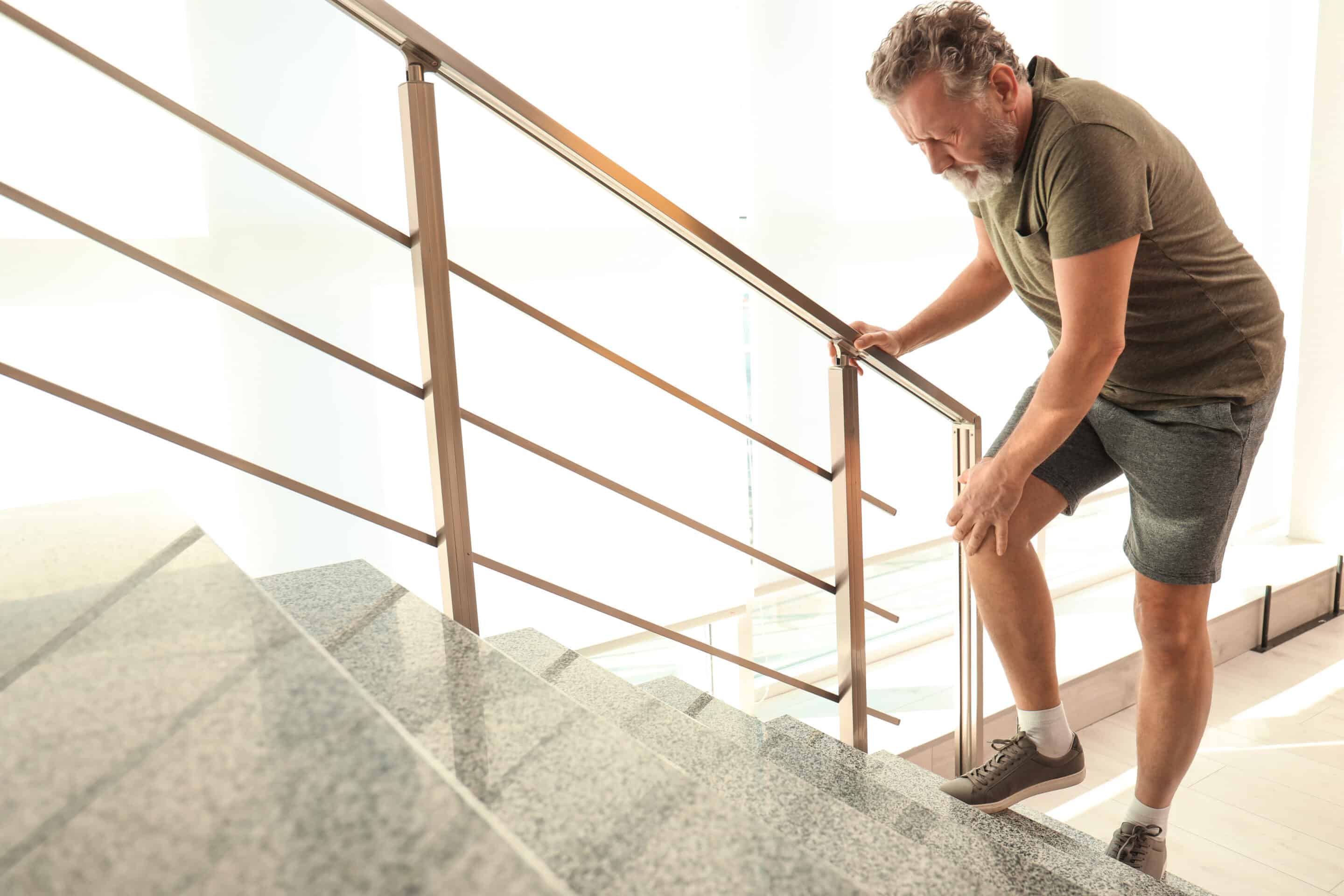
- Discomfort going down stairs or after sitting for long periods
- Pain during squats or lunges
This is often linked to muscle imbalances, poor hip control, or altered movement patterns, not damage to the knee itself.
2. Quadriceps or Patellar Tendon Irritation
The tendons connecting your kneecap to your thigh and shin bones can become irritated from overuse or sudden increases in activity.
You may notice:
- Pain at the front of the knee
- Tenderness just above or below the kneecap
- Discomfort during stairs, running, or jumping
Tendon pain often worsens when load management and strength aren’t addressed properly.
3. Meniscus Irritation
The meniscus is cartilage that helps cushion and stabilize the knee.
Symptoms can include:
- Pain during twisting or pivoting
- Stiffness or swelling
- Discomfort when walking downhill or on uneven surfaces
Not all meniscus issues require surgery. Many respond very well to physiotherapy.
4. Hip or Ankle Weakness (Hidden Causes)
Sometimes the knee isn’t the real problem.
Weak glutes, poor ankle mobility, or altered walking mechanics can shift excess stress into the knee, especially during stair use.
This is why knee pain often persists even when imaging looks “normal.”
What Actually Helps Knee Pain?
Strengthening the Right Muscles
Targeted strengthening of the quadriceps, glutes, and hip stabilizers helps reduce stress on the knee and improves movement control.
Improving Movement Patterns
How you walk, squat, and use stairs matters. Small changes in movement can significantly reduce pain.
Load Management
Doing too much too soon or resting too long, can both delay recovery. A guided plan makes a big difference.
Hands-On Therapy
Manual therapy can help reduce stiffness, improve joint motion, and calm irritated tissues.
When Should You Get Knee Pain Checked?
You should consider seeing a physiotherapist if:
- Knee pain lasts longer than 1–2 weeks
- Pain is worsening or limiting daily activity
- Stairs, walking, or exercise feel increasingly difficult
- Pain keeps returning after rest
Early assessment often prevents minor issues from becoming long-term problems.
How Physiotherapy Can Help
Physiotherapy focuses on identifying why your knee hurts, not just where it hurts. Treatment is tailored to your movement, lifestyle, and activity goals, whether that’s staying active, working comfortably, or returning to sport.
Looking for Knee Pain Treatment in The Durham Region?
If knee pain is affecting your day-to-day life, contact the physiotherapists at Durham Orthopedic & Sports Injury Clinic proper assessment can help you move comfortably again and prevent future flare ups.
