

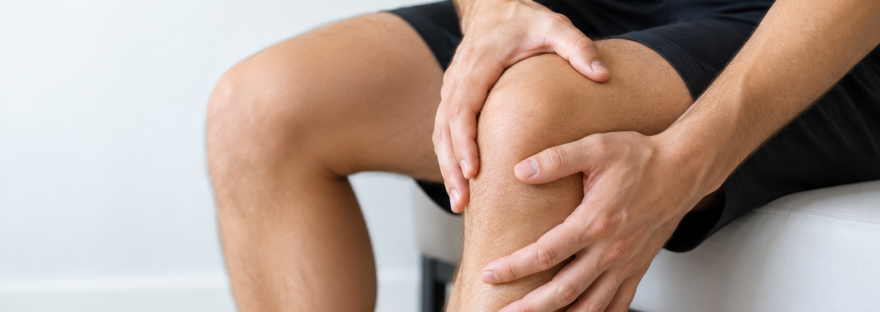
An injury that seemed to heal months or even years ago can sometimes start hurting again without an obvious new injury.
Maybe an old ankle sprain becomes sore after a long walk. A previous back injury starts acting up after sitting more than usual. Or a shoulder that had been fine for years suddenly feels stiff and painful again.
This can be frustrating, especially when you thought the problem was behind you.
At Durham Orthopedic & Sports Injury Clinic, our Ajax physiotherapy team can assess recurring pain, look at how the injured area is moving now, and help identify factors that may be contributing to the return of symptoms.
Does Pain Mean the Old Injury Has Come Back?
Not necessarily.
Pain returning in an area that was previously injured does not always mean that the original tissue has been damaged again.
In many cases, symptoms may be related to changes in strength, mobility, activity level, movement patterns, or how much stress the area is currently being asked to handle.
Your body also changes over time. An area that was strong enough for your usual routine a year ago may become irritated if your activity level suddenly increases or your daily habits change.
Why Can Old Injuries Start Hurting Again?
There are several possible reasons.
A Sudden Increase in Activity
One of the most common causes is doing more than your body has recently been used to.
This can happen when you:
- Return to the gym
- Start running again
- Join a recreational sports league
- Do more yard work
- Take a long hike
- Spend a weekend doing home renovations
- Increase your walking or cycling
Even if the original injury has healed, the surrounding muscles and tissues may not be prepared for a sudden increase in workload.
Loss of Strength
Strength can decrease when an area is not regularly challenged.
After an injury, people often complete rehabilitation exercises for a period of time and then gradually stop doing them once they feel better.
Over time, some of the strength gained during recovery may be lost.
If you then return to demanding activities, the area may have less capacity to handle the load.
Reduced Mobility
Changes in mobility can also affect how force moves through the body.
For example, reduced ankle mobility may influence the knee during squatting or running. Limited hip mobility may affect the lower back. Shoulder stiffness may change how the arm moves during lifting.
Sometimes the area that hurts is only part of the picture.
Changes in Movement Patterns
After an injury, people may temporarily move differently to avoid pain.
In some cases, these movement patterns can persist even after the original injury improves.
You may also develop new habits based on work, exercise, posture, or daily routines.
A physiotherapy assessment can help identify whether these changes may be contributing to recurring symptoms.
Doing Too Much Too Soon
Feeling better does not always mean the body is ready for every activity at full intensity.
Returning immediately to heavy lifting, long-distance running, competitive sports, or other demanding activities can sometimes overload tissues that have not gradually rebuilt their tolerance.
A progressive return to activity can help the body adapt.
Repetitive Stress
Sometimes old injuries become irritated because of repeated movements rather than one major event.
This may happen with:
- Repetitive lifting
- Prolonged sitting
- Repeated overhead work
- Running
- Cycling
- Sports involving frequent jumping or twisting
- Long periods of standing
Small amounts of stress repeated frequently can sometimes become enough to trigger symptoms.
Can Weather Make an Old Injury Hurt?
Some people report that joints or previously injured areas feel more stiff or uncomfortable when the weather changes.
The exact reasons are not always clear, and weather is unlikely to be the only factor involved.
Cooler temperatures may also lead people to move less, spend more time sitting, or warm up less before activity, which may contribute to stiffness.
Rather than focusing only on the weather, it can be useful to look at overall activity, mobility, strength, and recovery habits.
Why Does an Old Injury Hurt Even Without a New Injury?
Pain can occur without a new tear, fracture, or major structural injury.
Your body’s tolerance for activity can change depending on factors such as:
- Recent activity levels
- Strength
- Mobility
- Sleep
- Recovery
- Repetitive movements
- Work demands
- Training volume
This is one reason recurring pain should be assessed in the context of what you are doing now rather than only focusing on what happened years ago.
Should You Rest an Old Injury When It Starts Hurting?
Complete rest is not always necessary.
Depending on the symptoms, temporarily reducing or modifying aggravating activities may be more useful than stopping movement altogether.
For example, you may need to reduce:
- Running distance
- Exercise intensity
- Lifting volume
- Repetitive movements
- Time spent in one position
Gentle movement and appropriately selected exercises may help maintain mobility and gradually rebuild tolerance.
The right approach depends on the injury and your current symptoms.
Can Physiotherapy Help With Recurring Pain?
Physiotherapy can help determine what may have changed since your original injury.
An assessment may look at:
- Joint mobility
- Muscle strength
- Balance
- Flexibility
- Movement patterns
- Work or exercise demands
- Previous injury history
- Activities that trigger symptoms
Treatment may include:
- Strengthening exercises
- Mobility exercises
- Balance and stability training
- Activity modifications
- Movement retraining
- Education about managing flare-ups
- A gradual return to sport or exercise
The goal is not simply to calm the current flare-up.
Physiotherapy may also help improve the area’s ability to tolerate the activities you want or need to do.
How Can You Reduce the Chance of an Old Injury Flare-Up?
There is no way to prevent every episode of pain, but maintaining general strength and mobility can help prepare your body for everyday demands.
It may also help to:
- Increase activity gradually
- Warm up before demanding exercise
- Avoid large jumps in training volume
- Continue strength exercises after symptoms improve
- Take breaks from repetitive positions
- Pay attention to early signs of irritation
If symptoms begin returning frequently, it may be worth addressing them before they significantly limit your activity.
Physiotherapy for Recurring Pain in Ajax
Old injuries can sometimes become painful again, but recurring symptoms do not automatically mean you have damaged the area again.
Changes in strength, mobility, workload, and daily activity can all influence how an old injury feels.
At Durham Orthopedic & Sports Injury Clinic, our Ajax physiotherapy team can assess recurring pain and help develop a treatment plan based on your current symptoms, activity level, and goals.
We proudly serve patients from Ajax, Pickering Village, Pickering, and surrounding Durham Region communities.
If an old injury has started bothering you again, contact Durham Orthopedic & Sports Injury Clinic today to book a physiotherapy assessment and find out what may be contributing to your symptoms.
