neck pain when turning head while driving
Uncategorized

Pain When Turning Your Neck While Driving? Here’s What It Means

If you feel pain or stiffness when turning your head to check your blind spot while driving, you’re not alone.

This is one of the most common complaints we see at Durham Orthopedic & Sports Injury Clinic, especially among people who sit for long periods, commute regularly, or spend a lot of time on their phones or computers.

The good news? It’s usually very treatable once you understand what’s causing it.

What Causes Neck Pain When Turning Your Head?

Neck pain during rotation (turning your head side to side) is often linked to how your joints and muscles are moving together.

Here are the most common causes:

1. Joint Stiffness (Cervical Spine Restrictions)

Your neck is made up of small joints that allow smooth movement.
When these joints become stiff, often from posture or inactivity. Turning your head can feel tight or painful.

Common signs:

  • Sharp or pinching pain when turning
  • Limited range of motion
  • Worse after sitting or driving for long periods

2. Muscle Tightness & Imbalances

Tight muscles (especially in the upper traps and levator scapulae) can restrict movement and pull your neck out of alignment.

You might notice:

  • A pulling or stretching pain
  • One side feeling tighter than the other
  • Relief after moving or stretching

3. Poor Driving & Desk Posture

If your head is constantly pushed forward (very common with screens and driving), it puts extra strain on your neck.

Over time, this leads to stiffness and pain when you try to rotate.

4. Previous Injury (Like Whiplash)

Even old injuries can leave lingering stiffness or instability in the neck.

If you’ve ever had a car accident or sudden neck movement injury, it may still be affecting how your neck moves today.

Why This Matters (Don’t Ignore It)

Pain when turning your head isn’t just annoying, it can actually affect your safety while driving.

If you can’t comfortably check your blind spots, your reaction time and awareness on the road can be reduced.

What You Can Do Right Now

Here are a few simple things that can help:

Improve Your Driving Position

  • Sit upright with your head stacked over your shoulders
  • Adjust mirrors so you don’t have to turn as far
  • Avoid leaning forward toward the wheel

Gentle Mobility Exercises

Try slow, controlled neck rotations (within a pain-free range).
Avoid forcing the movement, that can make things worse.

Take Breaks From Sitting

If you’re driving long distances or working at a desk:

  • Get up every 30–60 minutes
  • Reset your posture
  • Move your neck through comfortable ranges

When Should You See a Physiotherapist?

If your neck pain:

  • Has lasted more than a week
  • Is getting worse
  • Limits your ability to drive safely
  • Keeps coming back 

It’s time to get it properly assessed.

How Physiotherapy in Ajax Can Help

At Durham Orthopedic & Sports Injury Clinic, we don’t just treat the pain, we figure out why it’s happening.

Your treatment may include:

  • Hands-on therapy to improve joint movement
  • Targeted exercises to restore strength and mobility
  • Posture correction strategies
  • A plan to prevent the issue from coming back

Get Back to Driving Comfortably

You shouldn’t have to wince every time you check your blind spot.

With the right treatment plan, most people see significant improvement in just a few sessions.

If you’re dealing with neck pain while driving, contact the physiotherapists at Durham Orthopedic & Sports Injury Clinic to book an assessment with our team in Ajax and get back to moving comfortably again.

Physiotherapy treatment for shin splints in Ajax
Uncategorized

Shin Splints: Why They Happen and How Physiotherapy in Ajax Can Help

If you’ve recently started running again, increased your workouts, or joined a local sports league, you may have noticed pain along the front of your lower leg. This condition, commonly known as shin splints, is one of the most frequent injuries seen in runners and active individuals.

At Durham Orthopedic & Sports Injury Clinic, we regularly help patients in Ajax and across the Durham Region recover from shin splints and safely return to the activities they enjoy.

What Are Shin Splints?

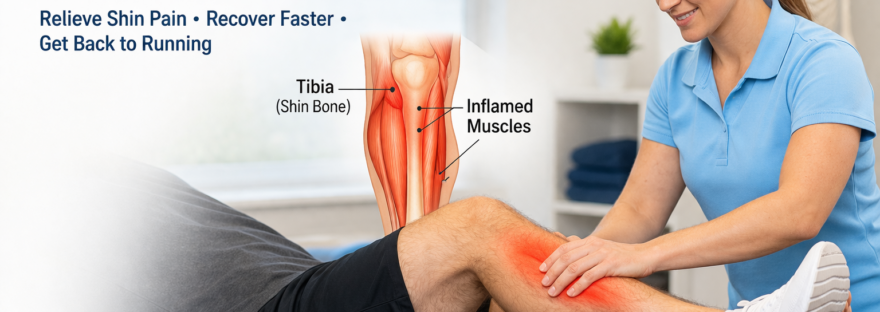
Shin splints refer to pain along the tibia (shin bone) caused by inflammation of the muscles, tendons, and bone tissue around the lower leg. The medical term for this condition is medial tibial stress syndrome.

The pain typically develops:

  • Along the inside edge of the shin
  • During or after running or exercise
  • After suddenly increasing physical activity

Many runners in Ajax experience shin splints when returning to outdoor training in the spring or increasing mileage too quickly.

Common Causes of Shin Splints

Shin splints usually occur when the lower leg muscles and tendons are overworked or overloaded.

Common causes include:

  • Increasing running distance or intensity too quickly
  • Starting a new fitness routine
  • Running on hard surfaces like sidewalks or pavement
  • Wearing worn-out or unsupportive shoes
  • Having poor running mechanics

Athletes participating in sports like running, soccer, basketball, and pickleball often experience shin splints due to repetitive impact on the lower legs.

Signs You May Have Shin Splints

Common symptoms include:

  • Tenderness along the inner part of the shin
  • Mild swelling in the lower leg
  • Pain that worsens during exercise
  • Discomfort that improves with rest

If pain becomes severe or continues even during rest, it’s important to have the injury assessed to rule out more serious conditions such as a stress fracture.

How Physiotherapy in Ajax Can Help

Physiotherapy plays an important role in both treating shin splints and preventing them from returning.

At Durham Orthopedic & Sports Injury Clinic in Ajax, treatment may include:

Injury Assessment

A physiotherapist will assess your movement patterns, running mechanics, and muscle imbalances to determine the cause of your shin pain.

Targeted Strengthening

Weakness in the calves, hips, and ankles can increase strain on the shin. Strengthening these areas helps reduce stress on the lower leg.

Mobility and Stretching

Tight calf muscles and limited ankle mobility can contribute to shin splints. Guided stretching and mobility exercises can help restore proper movement.

Activity Modification

Your physiotherapist may recommend temporary adjustments to your training routine to allow the injury to heal while keeping you active.

Return-to-Running Plan

A gradual return-to-sport program helps ensure you can run, train, or play sports safely without re-injuring the area.

Preventing Shin Splints

There are several steps runners and athletes in Ajax can take to reduce the risk of shin splints:

  • Increase training gradually
  • Replace worn running shoes
  • Warm up before exercise
  • Strengthen the calves, hips, and core
  • Avoid sudden increases in running distance

Many runners in the Ajax area find that proper strength training and mobility work can significantly reduce lower leg injuries.

When to See a Physiotherapist

If shin pain lasts longer than a few days or continues to interfere with your workouts, it’s a good idea to seek professional help.

Early treatment can prevent shin splints from developing into long-term injuries that keep you away from running or sports.

Contact the Durham Orthopedic & Sports Injury Clinic, our team of physiotherapists help patients in Ajax and throughout the Durham Region recover from sports injuries and return to activity safely.

If you’re experiencing shin pain while running or exercising, physiotherapy can help you recover and prevent future injuries.

Uncategorized

Returning to Running This Spring? 5 Tips to Avoid Knee and Shin Pain

As the weather warms up, many people across Durham Region lace up their running shoes and head back outside. After months of colder weather and reduced activity, it’s common to feel motivated to get moving again.

But returning to running too quickly can often lead to injuries like knee pain, shin splints, or muscle strains.

If you’re planning to start running again this spring, taking a gradual and mindful approach can help you stay active while avoiding setbacks.

Why Running Injuries Are Common in the Spring

One of the biggest reasons injuries occur this time of year is sudden increases in activity.

During the winter months, many people reduce their activity levels or switch to different types of exercise. When spring arrives, runners sometimes jump back into their old routines too quickly.

This can place extra stress on muscles, tendons, and joints that may not be fully conditioned for the workload.

Common spring running injuries include:

  • Patellofemoral syndrome
  • Shin splints
  • Achilles tendon irritation
  • Calf strains
  • IT band syndrome

The good news is that most of these injuries can often be prevented with the right approach.

1. Start Slower Than You Think

One of the most effective ways to avoid injury is to gradually rebuild your running volume.

Even if you were running regularly last year, your body may need time to adapt again.

Try starting with shorter runs and slower pacing during the first few weeks. Increasing distance or intensity gradually helps your muscles and joints adjust to the workload.

2. Don’t Skip Your Warm-Up

Many running injuries occur because muscles are tight or unprepared for movement.

Before heading out, spend a few minutes doing light dynamic movements such as:

  • Leg swings
  • Walking lunges
  • Light jogging
  • Hip mobility exercises

A proper warm-up increases blood flow and prepares your muscles for activity.

3. Pay Attention to Early Signs of Pain

A small ache can sometimes be the first warning sign of a developing injury.

Common early symptoms runners notice include:

  • Knee discomfort when going downstairs
  • Tightness along the front of the shin
  • Persistent calf tightness
  • Hip or outer knee soreness

If pain continues during or after multiple runs, it may be worth getting assessed before the issue becomes more serious.

4. Mix in Strength Training

Strong muscles help support your joints and improve running mechanics.

Exercises that can support runners include:

  • Glute bridges
  • Squats
  • Step-ups
  • Core strengthening

Adding strength training a few times per week can reduce the risk of overuse injuries.

5. Give Your Body Time to Recover

Rest and recovery are essential when increasing activity levels.

Try alternating running days with lower-impact activities like walking, cycling, or mobility work. This allows your tissues time to adapt and recover between sessions.

Sleep, hydration, and proper nutrition also play an important role in injury prevention.

When to Seek Help for Running Pain

If pain persists, worsens, or begins to affect your daily activities, it may be helpful to have a professional assessment.

Physiotherapy can help identify the underlying cause of pain and provide a personalized plan to support recovery and safe return to activity.

Stay Active This Spring

Spring is a great time to get moving again and enjoy outdoor activity throughout Ajax and the Durham Region. With a gradual approach and attention to how your body feels, many common running injuries can be avoided.

If you’re experiencing knee pain, shin splints, or other running-related discomfort, contact the team at Durham Orthopedic & Sports Injury Clinic can help assess the issue and guide your recovery.

Uncategorized

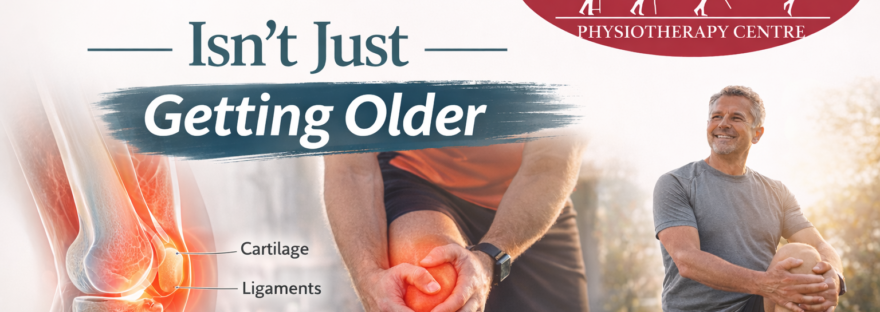
Knee Pain Isn’t Just “Getting Older”

If you’re over 40 and starting to notice knee pain during stairs, workouts, or long walks, it’s easy to assume: “It’s probably arthritis.” While osteoarthritis is common, it’s far from the only reason your knee might be hurting. In fact, many cases of knee pain in adults over 40 are caused by treatable muscle imbalances, tendon irritation, or joint mechanics, not severe joint damage.

The key is understanding the difference.

What Is Knee Osteoarthritis?

Osteoarthritis happens when the cartilage inside the knee joint gradually wears down over time.

Common signs include:

  • Morning stiffness that improves with movement
  • Gradual onset of pain over months or years
  • Aching pain with prolonged walking
  • Crunching or grinding sensation
  • Mild swelling after activity

Arthritis pain usually develops slowly and progressively.

Other Common Causes of Knee Pain After 40

Many patients in Durham Region are surprised to learn their knee pain is caused by something else entirely.

1️⃣ Meniscus Irritation

Small cartilage cushioning structures in the knee can become irritated or slightly torn, especially after twisting movements.

Signs:

  • Pain with twisting
  • Catching or locking sensation
  • Swelling after activity

2️⃣ Tendinitis (Overuse Injury)

Repetitive stress from running, gym workouts, or sports can irritate the patellar tendon.

Signs:

  • Pain just below the kneecap
  • Worse with stairs or jumping
  • Sharp pain during activity

3️⃣ Muscle Imbalances

Weak hips muscles or glutes can change how the knee tracks during movement.

Signs:

  • Pain during squats
  • Pain descending stairs
  • Pain after long periods of sitting

This is extremely common and very treatable.

Common Mistakes People Make

Stopping all activity
Avoiding strength training
Relying only on anti-inflammatory medication
Waiting until pain becomes severe

The knee often needs smarter loading, not complete rest.

How Physiotherapy Can Help

At Durham Orthopedic Clinic, assessment focuses on:

  • Joint mobility
  • Muscle strength
  • Movement mechanics
  • Hip and ankle contribution
  • Load tolerance

Treatment may include:

  • Targeted strengthening (especially quads and glutes)
  • Joint mobilization
  • Movement retraining
  • Gradual return-to-activity planning

Research consistently shows that structured strengthening is one of the most effective treatments for knee pain, even when arthritis is present.

At Home Tips for Managing Knee Pain

Stay active (within pain limits) Strengthen hips and quads
Avoid deep painful squats temporarily
Use ice after flare-ups
Maintain a healthy body weight

Movement is medicine, when done properly.

When Should You Seek Professional Help?

Book an assessment if you notice:

  • Swelling that persists
  • Knee instability or giving way
  • Pain lasting longer than 2–3 weeks
  • Reduced range of motion
  • Pain interfering with daily activities

Early treatment prevents long-term compensation patterns.

Knee Pain Treatment in Durham Region

If knee pain is limiting your walks, workouts, or workday, don’t assume it’s “just aging.”

Contact the physiotherapists at Durham Orthopedic Clinic for a proper assessment. We can determine whether it’s arthritis, tendon irritation, meniscus involvement, or a movement issue  and create a plan tailored to you.

Uncategorized

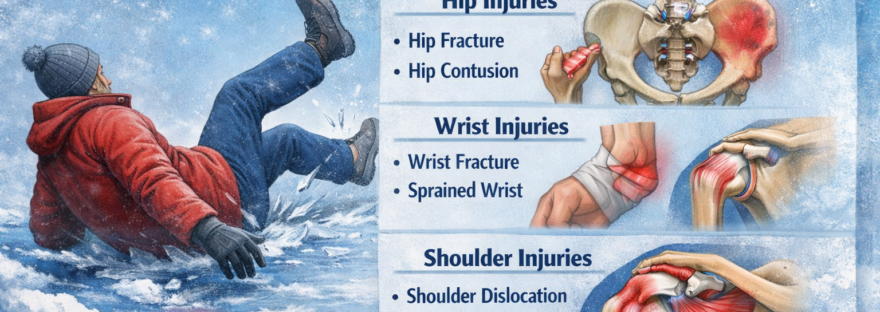
Hip, Wrist, and Shoulder Injuries After Ice Related Falls

Winter slips happen fast. One second you’re walking, the next you’re on the ground wondering what just happened.

Ice related falls are one of the most common causes of injury during winter, and they don’t just affect older adults. We regularly see active adults, workers, runners, and parents injured after a simple slip on icy sidewalks, driveways, or parking lots.

The tricky part? These injuries don’t always feel serious right away. Pain can show up days later or quietly linger until it starts interfering with daily life.

Why Ice Related Falls Cause These Injuries

When you slip on ice, your body reacts instinctively. You try to catch yourself, twist away, or brace for impact, often all at once.

That sudden, uncontrolled movement puts stress on areas that aren’t prepared to absorb force, especially the hips, wrists, and shoulders.

Unlike sports injuries where the body may be warmed up and moving predictably, winter falls usually happen:

  • Without warning
  • With poor footing
  • In awkward positions

This combination increases the risk of strain, joint irritation, and even fractures.

Hip Injuries After a Fall

The hips take a lot of force during a slip, especially if you land sideways or twist as you fall.

Common hip related issues we see include:

  • Deep hip or groin pain
  • Bruising and stiffness
  • Difficulty walking or climbing stairs
  • Pain that worsens after sitting or standing too long

Sometimes the pain isn’t directly in the hip joint itself. Muscles, tendons, or surrounding structures may be overloaded, leading to lingering discomfort if not addressed properly

Wrist Injuries: The Natural “Catch”

Most people instinctively put their hands out to break a fall. Unfortunately, the wrist isn’t designed to absorb your full body weight suddenly.

Common wrist injuries after ice-related falls include:

  • Wrist sprains or strains
  • Ligament irritation
  • Tendon inflammation
  • Fractures (especially with more forceful falls)

Even if X-rays show no fracture, wrist pain can persist if swelling, stiffness, or loss of strength isn’t properly managed.

Shoulder Injuries From Bracing or Impact

Shoulder injuries often happen when someone lands on an outstretched arm or shoulder.

Symptoms can include:

  • Pain when lifting the arm
  • Night pain when lying on the affected side
  • Weakness or instability
  • Limited range of motion

Because the shoulder relies heavily on muscle coordination, even a minor fall can disrupt how the joint moves, leading to pain that sticks around longer than expected.

Why These Injuries Can Linger

One of the biggest frustrations after a winter fall is that pain doesn’t always improve on its own.

Common reasons symptoms linger include:

  • Loss of strength after injury
  • Joint stiffness and reduced mobility
  • Altered movement patterns to “protect” the area
  • Returning to activity too quickly

Pain may settle initially, but without restoring strength, control, and tolerance, the injury often resurfaces during normal daily activities.

How Physiotherapy Helps After a Winter Fall

Physiotherapy focuses on more than just pain relief.

Treatment after an ice-related fall often includes:

  • Assessing how the joint and surrounding muscles are moving
  • Restoring strength and mobility safely
  • Improving balance and coordination
  • Gradually reintroducing daily and work activities
  • Preventing future falls and repeat injuries

Addressing the injury early helps reduce the risk of chronic pain and recurring flare-ups.

When to Seek Physiotherapy After a Fall

You should consider physiotherapy if:

  • Pain hasn’t improved after a few days
  • You notice stiffness, weakness, or limited movement
  • Daily tasks feel harder than before
  • Pain returns when you try to be active again

Ignoring these signs can lead to longer recovery times and unnecessary setbacks.

Ice related falls may seem minor at first, but hip, wrist, and shoulder injuries can quietly turn into long-term issues if left untreated.

Early assessment, proper movement, and gradual strengthening can make the difference between a quick recovery and months of frustration.

If you’ve had a fall this winter and something doesn’t feel right, contact the team at Durham Orthopedic & Sports Injury Clinic to help assess the injury and guide you back to confident, pain free movement.

Back Pain, Health Tips, Physio

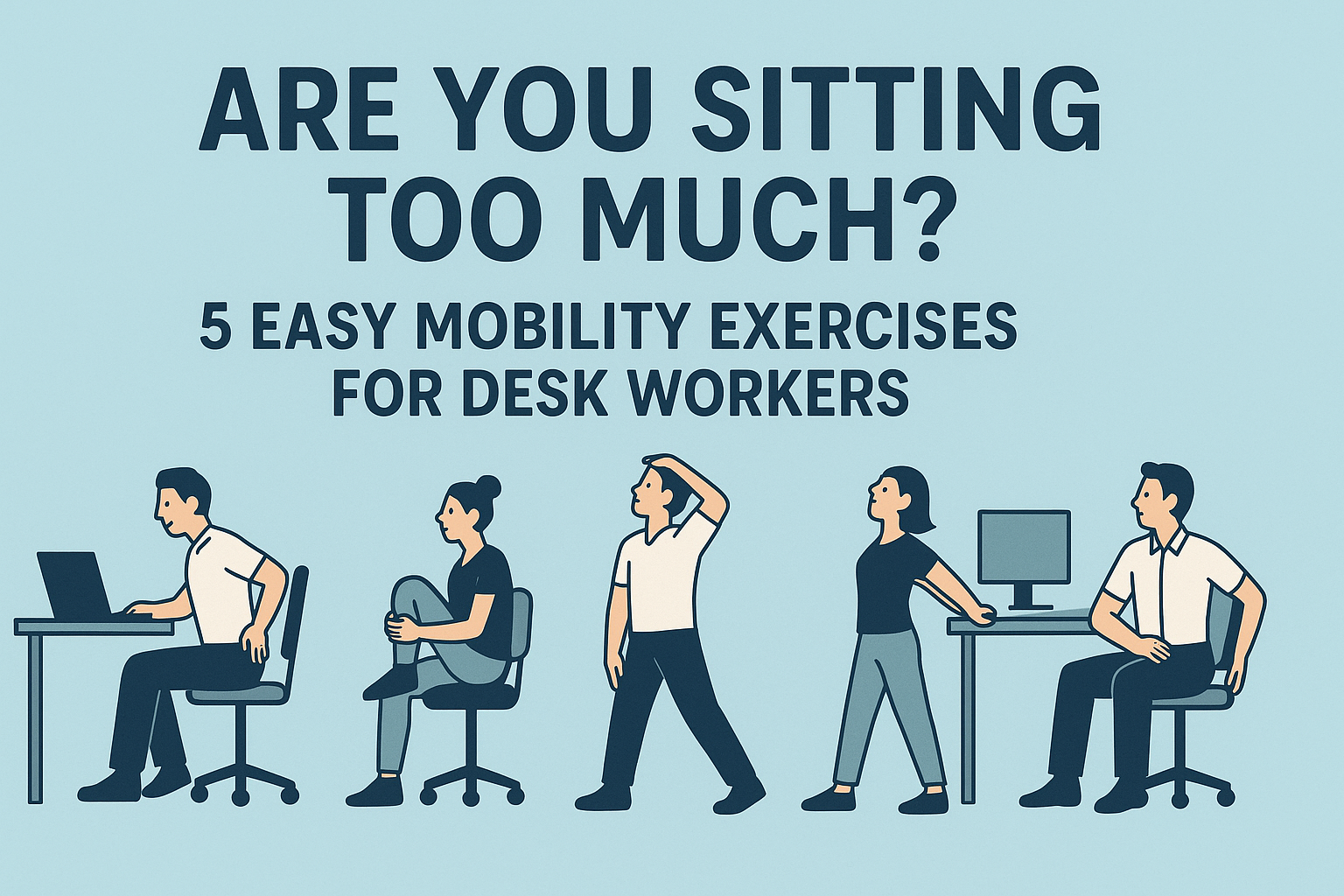
Are You Sitting Too Much? 5 Easy Mobility Exercises for Desk Workers

We Get It,  Sitting All Day Hurts

If you spend most of your day at a desk, chances are you’ve felt it, that dull ache in your lower back, stiff neck, or tight hips that just won’t quit.
At Durham Orthopedic & Sports Injury Clinic, we see this every week, hardworking people across Ajax, Pickering, Whitby, and Oshawa dealing with pain caused by long hours of sitting.

The good news? A few quick mobility exercises can make a huge difference in how your body feels and performs throughout the day.

1. The Hip Opener (90/90 Stretch)

Why it helps: Sitting tightens your hip flexors and limits rotation, which can affect your back and posture.
How to do it:

  • Sit on the floor with one leg in front (knee bent at 90°) and the other leg behind you (also bent 90°).
  • Keep your back straight and slowly lean forward over your front leg.
  • Hold for 30 seconds per side.

2. Shoulder Blade Squeeze

Why it helps: Sitting slouched rounds your shoulders and weakens postural muscles.
How to do it:

  • Sit tall with your feet flat on the floor.
  • Squeeze your shoulder blades together (as if trying to pinch a pencil).
  • Hold for 5 seconds, relax, and repeat 10–12 times.

    Strengthening your upper back can help to improve posture and reduce neck tension.

3. Seated Leg Extensions

Why it helps: Prevents stiffness in the hamstrings which then decreases stress to the low back.
How to do it:

  • While seated, straighten one leg and hold for 3–5 seconds.
  • Lower and switch legs.
  • Repeat 10–15 times per side.

Even a few sets per hour can reduce that “heavy leg” feeling from sitting too long.

4. Standing Back Extension

Why it helps: Reverses the constant forward bend of sitting and relieves pressure on your lower back.
How to do it:

  • Stand tall, place your hands on your lower back.
  • Gently arch backward, looking up slightly.
  • Hold for 2–3 seconds and repeat 10 times.

You can try this every time you get up to grab coffee, easy habit, big results.

5. Neck Rolls & Chin Tucks

Why it helps: Reduces neck stiffness and tension headaches.
How to do it:

  • Slowly roll your head side to side, keeping movements gentle.
  • Then tuck your chin straight back (like making a double chin).
  • Hold 3 seconds, repeat 8–10 times.

Keeps your neck mobile and improves posture at your workstation.

Make Movement a Habit

It’s not just about one big stretch session,  it’s about consistency.

Try setting a reminder every hour to stand, walk, or do one of these quick movements. Over time, these small breaks improve posture, energy, and productivity.

And if pain or stiffness persists, our team at Durham Orthopedic & Sports Injury Clinic can help identify what’s really going on and create a plan that gets you back to moving comfortably.

About Durham Orthopedic & Sports Injury Clinic

Located in Pickering Village, Ajax, our clinic helps patients with workplace pain, sports injuries, and postural issues through personalized physiotherapy, manual therapy, and exercise programs.

Contact us to book your assessment today and feel the difference movement makes.

Uncategorized

Durham Orthopedic & Sports Injury Clinic for Sciatica Relief

If you’ve ever felt a sharp pain shooting down your lower back, hip, or leg, you might be dealing with sciatica. It’s a common condition and the pain can range from mildly uncomfortable to completely debilitating. The good news? The physiotherapists at Durham Orthopedic & Sports Injury Clinic can help.

What Is Sciatica?

Sciatica isn’t actually a diagnosis on its own, it’s a symptom that happens when the sciatic nerve (the longest nerve in your body) gets irritated or compressed. This often feels like:

  • Sharp or burning pain down one side of the body
  • Tingling or numbness in the leg or foot
  • Weakness when moving the leg
  • Pain that gets worse when sitting for long periods

Common Causes of Sciatica

 Sciatica is often linked to:

  • Herniated or bulging discs
  • Spinal stenosis (narrowing of the spinal canal)
  • Muscle tightness (especially in the glutes and hamstrings)
  • Postural strain from sitting too much
  • Injuries like slips, falls, or sports related trauma

How Physiotherapy Helps Sciatica

At Durham Orthopedic and Sports Injury Clinic, our physiotherapists focus on relieving pain, restoring movement, and preventing flare ups. Treatment may include:

  • Manual therapy: Gentle hands on techniques to reduce nerve irritation and muscle tension.
  • Targeted exercises: To strengthen your core and stabilize your spine.
  • Stretching routines: To release tight muscles around the lower back and hips.
  • Posture & ergonomic advice: Small adjustments to how you sit, work, or sleep can make a big difference.
  • Education: Knowing what movements to avoid (and which to practice) helps prevent sciatica from coming back.

Why Choose Durham Orthopedic & Sports Injury Clinic?

Recovery is faster and safer when your treatment is tailored to your body, your lifestyle, and your pain triggers. Our team at Durham Orthopedic and Sports Injury Clinic have helped countless clients get back to work, sports, and everyday life without that constant nerve pain holding them back.

Don’t Let Sciatica Slow You Down

If sciatica is interfering with your day to day life, physiotherapy is a proven, drug free, and often a surgery preventing solution. Contact us today to book your appointment

Uncategorized

Groin Injury vs. Hip Flexor Injury: What’s the Difference?

Understanding Your Pain and Getting the Right Treatment

If you’ve ever felt a sharp pull or lingering ache in your upper thigh or near your pelvis, you’re not alone and you’re probably wondering if it’s a groin strain or a hip flexor injury.

The tricky part? They’re close in location, often share symptoms, and can both flare up from similar activities like running, kicking, or sudden directional changes. But understanding the difference is key to getting the right treatment and speeding up your recovery.

Let’s Break It Down:

What is a Groin Injury?

A groin injury usually involves a strain or tear to the adductor muscles, the ones on the inside of your thigh that pull your leg inward. These muscles are especially active in sports that require quick changes in direction, kicking, or skating.

Common signs of a groin strain include:

  • Pain on the inner thigh or near the pubic bone
  • Discomfort when bringing your legs together
  • Tightness or bruising along the inner thigh
  • Increased pain with stretching or side lunges

What is a Hip Flexor Injury?

Your hip flexors (mainly the iliopsoas and rectus femoris muscles) help you lift your knee and bend at the hip. These muscles are under constant use, whether you’re sprinting, climbing stairs, or just getting out of a chair.

Common signs of a hip flexor strain:

  • Pain at the front of the hip or upper thigh
  • Discomfort when lifting the knee (especially when walking uphill)
  • Tightness or weakness during squats or lunges
  • A “catching” or “pulling” feeling at the top of the thigh

So… Groin or Hip Flexor?

It all comes down to location and movement.

  • If the pain is more medial (inner thigh) and worsens with side-to-side movements, it’s likely groin related.
  • If the pain is more in the front of the hip or deep in the pelvis and worsens when lifting your leg, think hip flexor.

Still unsure? That’s where physiotherapy comes in.

How Physiotherapy Helps

At our physiotherapy clinic, we take the guesswork out of your recovery. We start with a detailed assessment to pinpoint the issue, and then create a treatment plan that might include:

  • Manual therapy to relieve tension and improve mobility
  • Targeted exercises to strengthen weak muscles and support recovery
  • Stretching routines to improve flexibility without aggravating the injury
  • Education so you know what movements to avoid (and which ones will help)

No matter which injury you’re dealing with, contact the professionals at Durham Orthopedic & Sports Injury Clinic to book your appointment today. Early treatment can speed up healing and help prevent it from becoming a chronic issue.

Uncategorized

Top 5 Signs Your Hip Flexor Might Be Injured

If you’re feeling a sharp pain in the front of your hip or struggling with mobility after a workout, you might be dealing with a hip flexor injury. These types of injuries are common among athletes, runners, and even people who sit for long periods. At Durham Orthopedic & Sports Injury Clinic, we see this type of injury more often than you might think and early intervention is key to a full recovery.

So how do you know if your hip flexor is injured? Here are the top 5 signs to watch for.

1. Pain in the Front of the Hip or Groin

A hip flexor injury often presents as sharp, stabbing pain or a deep ache at the front of your hip or in the groin area. The pain might get worse when you lift your knee, walk uphill, or stretch your leg behind you.

 Common in: Runners, cyclists, and people who sit for extended periods.

2. Difficulty Walking, Running, or Climbing Stairs

If walking feels awkward, or you notice tightness and pulling when lifting your leg, your hip flexor might be strained or injured. Climbing stairs, running, or even standing from a seated position can aggravate the injury.

Pro tip: Pain with movement is one of the earliest signs that a muscle imbalance or strain may be developing.

3. Weakness or a “Giving Out” Sensation

Injured hip flexors can cause your leg to feel weak or unstable, especially when lifting your knee or balancing on one leg. You may feel like your hip is about to give out under pressure.

Warning sign: This could indicate a moderate to severe strain, and professional evaluation is recommended.

4. Swelling, Bruising, or Tenderness to the Touch

In some cases, you may notice swelling or bruising around the hip, groin, or upper thigh. The area might also feel warm and tender, especially after activity.

 At Durham Orthopedic Sports & Injury Clinic, we often use manual therapy and targeted modalities to reduce inflammation and accelerate healing.

5. Discomfort After Sitting or Driving

Do you feel stiff or sore after sitting for long periods or driving? Tight hip flexors can become even more aggravated in a seated position, making it harder to move once you stand.

This is especially common for office workers, truck drivers, and anyone with a sedentary lifestyle.

What to Do Next: Early Care = Faster Recovery

If any of these symptoms sound familiar, it’s time to take action. Ignoring hip flexor pain can lead to longer recovery times and increase your risk of re-injury.

At Durham Orthopedic & Sports Injury Clinic, we offer: 

 – In-depth orthopedic assessments
– Custom rehab programs tailored to your activity level
– Advanced therapies like manual therapy, dry needling, and mobility training
– Education and support for injury prevention

Contact the professionals at Durham Orthopedic & Sports Injury Clinic to book your appointment today! 

Physio

Physiotherapy for Carpal Tunnel Syndrome

Carpal Tunnel Syndrome (CTS) is a common condition that affects millions of people worldwide. It occurs when the median nerve, which runs through the wrist, becomes compressed. This can lead to symptoms like pain, numbness, tingling, and weakness in the hand and fingers. Fortunately, physiotherapy offers effective, non-invasive treatments to alleviate these symptoms and restore hand function. 

What Is Carpal Tunnel Syndrome?

The carpal tunnel is a narrow passage in the wrist surrounded by bones and ligaments. When the median nerve passing through this tunnel is compressed, it can lead to;

  • Pain: Especially in the wrist and palm.
  • Tingling or Numbness: Often in the thumb, index, and middle fingers.
  • Weakness: Making it difficult to grip objects.

Common causes include repetitive hand movements, wrist injuries, or conditions like arthritis and diabetes.

How Physiotherapy Can Help with Carpal Tunnel Syndrome

Physiotherapy is a highly effective, drug free option for managing carpal tunnel syndrome. Here’s how it works;

1. Nerve Gliding Exercises

These gentle exercises help improve the mobility of the median nerve within the carpal tunnel, reducing pressure and alleviating symptoms.

2. Stretching and Strengthening Exercises

Stretching the wrist and forearm muscles can relieve tension, while strengthening exercises can improve grip strength and overall hand function.

3. Manual Therapy

Techniques like soft tissue massage and joint mobilization can reduce inflammation and improve wrist mobility.

4. Ultrasound Therapy

This non-invasive treatment uses sound waves to promote healing and reduce pain and inflammation in the wrist.

5. Ergonomic Advice

A physiotherapist can provide guidance on proper posture, wrist positioning, and workstation setup to prevent further strain.

6. Wrist Splinting

Wearing a wrist splint, especially at night, helps keep the wrist in a neutral position, reducing pressure on the median nerve.

Benefits of Physiotherapy for Carpal Tunnel Syndrome

  • Non-Invasive Treatment: Avoid surgery and medication with a natural approach.
  • Pain Relief: Target the root cause of discomfort.
  • Improved Mobility: Regain full use of your hand and wrist.
  • Prevent Recurrence: Learn techniques to prevent future flare ups.

When to See a Physiotherapist

If you’re experiencing any symptoms of carpal tunnel syndrome, such as persistent hand pain or tingling, it’s time to seek professional help. Early intervention can prevent the condition from worsening and potentially avoid the need for surgical treatment.

Visit Our Physiotherapy Clinic for Carpal Tunnel Treatment

At Durham Orthopedic & Sports Injury Clinic, our experienced physiotherapists specialize in treating carpal tunnel syndrome. We’ll create a personalized treatment plan tailored to your needs, helping you achieve pain relief and restore hand function.

Don’t let carpal tunnel syndrome hold you back. Contact us and start your road to recovery today!