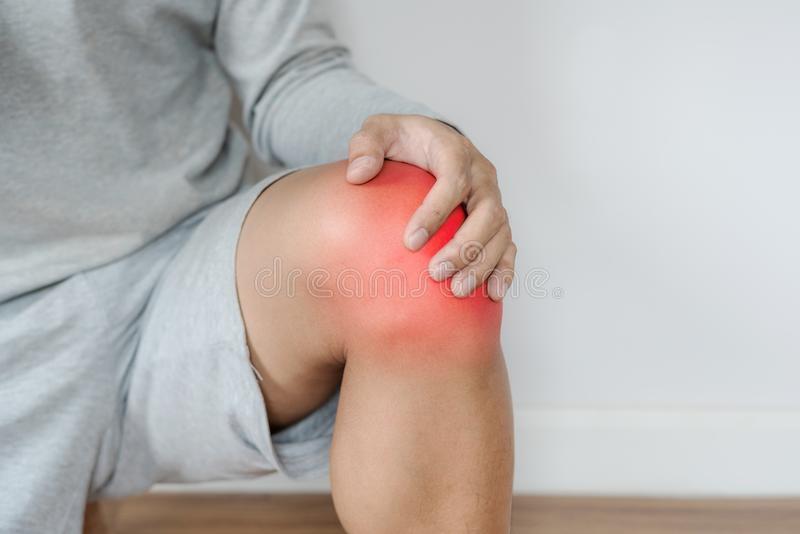

If you’ve recently started running again, increased your workouts, or joined a local sports league, you may have noticed pain along the front of your lower leg. This condition, commonly known as shin splints, is one of the most frequent injuries seen in runners and active individuals.
At Durham Orthopedic & Sports Injury Clinic, we regularly help patients in Ajax and across the Durham Region recover from shin splints and safely return to the activities they enjoy.
What Are Shin Splints?
Shin splints refer to pain along the tibia (shin bone) caused by inflammation of the muscles, tendons, and bone tissue around the lower leg. The medical term for this condition is medial tibial stress syndrome.
The pain typically develops:
- Along the inside edge of the shin
- During or after running or exercise
- After suddenly increasing physical activity
Many runners in Ajax experience shin splints when returning to outdoor training in the spring or increasing mileage too quickly.
Common Causes of Shin Splints
Shin splints usually occur when the lower leg muscles and tendons are overworked or overloaded.
Common causes include:
- Increasing running distance or intensity too quickly
- Starting a new fitness routine
- Running on hard surfaces like sidewalks or pavement
- Wearing worn-out or unsupportive shoes
- Having poor running mechanics
Athletes participating in sports like running, soccer, basketball, and pickleball often experience shin splints due to repetitive impact on the lower legs.
Signs You May Have Shin Splints
Common symptoms include:
- Tenderness along the inner part of the shin
- Mild swelling in the lower leg
- Pain that worsens during exercise
- Discomfort that improves with rest
If pain becomes severe or continues even during rest, it’s important to have the injury assessed to rule out more serious conditions such as a stress fracture.
How Physiotherapy in Ajax Can Help
Physiotherapy plays an important role in both treating shin splints and preventing them from returning.
At Durham Orthopedic & Sports Injury Clinic in Ajax, treatment may include:
Injury Assessment
A physiotherapist will assess your movement patterns, running mechanics, and muscle imbalances to determine the cause of your shin pain.
Targeted Strengthening
Weakness in the calves, hips, and ankles can increase strain on the shin. Strengthening these areas helps reduce stress on the lower leg.
Mobility and Stretching
Tight calf muscles and limited ankle mobility can contribute to shin splints. Guided stretching and mobility exercises can help restore proper movement.
Activity Modification
Your physiotherapist may recommend temporary adjustments to your training routine to allow the injury to heal while keeping you active.
Return-to-Running Plan
A gradual return-to-sport program helps ensure you can run, train, or play sports safely without re-injuring the area.
Preventing Shin Splints
There are several steps runners and athletes in Ajax can take to reduce the risk of shin splints:
- Increase training gradually
- Replace worn running shoes
- Warm up before exercise
- Strengthen the calves, hips, and core
- Avoid sudden increases in running distance
Many runners in the Ajax area find that proper strength training and mobility work can significantly reduce lower leg injuries.
When to See a Physiotherapist
If shin pain lasts longer than a few days or continues to interfere with your workouts, it’s a good idea to seek professional help.
Early treatment can prevent shin splints from developing into long-term injuries that keep you away from running or sports.
Contact the Durham Orthopedic & Sports Injury Clinic, our team of physiotherapists help patients in Ajax and throughout the Durham Region recover from sports injuries and return to activity safely.
If you’re experiencing shin pain while running or exercising, physiotherapy can help you recover and prevent future injuries.