
Uncategorized

Returning to Running This Spring? 5 Tips to Avoid Knee and Shin Pain

As the weather warms up, many people across Durham Region lace up their running shoes and head back outside. After months of colder weather and reduced activity, it’s common to feel motivated to get moving again.

But returning to running too quickly can often lead to injuries like knee pain, shin splints, or muscle strains.

If you’re planning to start running again this spring, taking a gradual and mindful approach can help you stay active while avoiding setbacks.

Why Running Injuries Are Common in the Spring

One of the biggest reasons injuries occur this time of year is sudden increases in activity.

During the winter months, many people reduce their activity levels or switch to different types of exercise. When spring arrives, runners sometimes jump back into their old routines too quickly.

This can place extra stress on muscles, tendons, and joints that may not be fully conditioned for the workload.

Common spring running injuries include:

  • Patellofemoral syndrome
  • Shin splints
  • Achilles tendon irritation
  • Calf strains
  • IT band syndrome

The good news is that most of these injuries can often be prevented with the right approach.

1. Start Slower Than You Think

One of the most effective ways to avoid injury is to gradually rebuild your running volume.

Even if you were running regularly last year, your body may need time to adapt again.

Try starting with shorter runs and slower pacing during the first few weeks. Increasing distance or intensity gradually helps your muscles and joints adjust to the workload.

2. Don’t Skip Your Warm-Up

Many running injuries occur because muscles are tight or unprepared for movement.

Before heading out, spend a few minutes doing light dynamic movements such as:

  • Leg swings
  • Walking lunges
  • Light jogging
  • Hip mobility exercises

A proper warm-up increases blood flow and prepares your muscles for activity.

3. Pay Attention to Early Signs of Pain

A small ache can sometimes be the first warning sign of a developing injury.

Common early symptoms runners notice include:

  • Knee discomfort when going downstairs
  • Tightness along the front of the shin
  • Persistent calf tightness
  • Hip or outer knee soreness

If pain continues during or after multiple runs, it may be worth getting assessed before the issue becomes more serious.

4. Mix in Strength Training

Strong muscles help support your joints and improve running mechanics.

Exercises that can support runners include:

  • Glute bridges
  • Squats
  • Step-ups
  • Core strengthening

Adding strength training a few times per week can reduce the risk of overuse injuries.

5. Give Your Body Time to Recover

Rest and recovery are essential when increasing activity levels.

Try alternating running days with lower-impact activities like walking, cycling, or mobility work. This allows your tissues time to adapt and recover between sessions.

Sleep, hydration, and proper nutrition also play an important role in injury prevention.

When to Seek Help for Running Pain

If pain persists, worsens, or begins to affect your daily activities, it may be helpful to have a professional assessment.

Physiotherapy can help identify the underlying cause of pain and provide a personalized plan to support recovery and safe return to activity.

Stay Active This Spring

Spring is a great time to get moving again and enjoy outdoor activity throughout Ajax and the Durham Region. With a gradual approach and attention to how your body feels, many common running injuries can be avoided.

If you’re experiencing knee pain, shin splints, or other running-related discomfort, contact the team at Durham Orthopedic & Sports Injury Clinic can help assess the issue and guide your recovery.
Uncategorized

Can Massage Therapy Help Knee Pain?

If you’re dealing with knee pain, your first thought might be that the joint itself is damaged.

But in many cases, knee pain isn’t only about the knee.

Tight muscles in the quadriceps, hamstrings, calves, or IT band can increase stress on the joint and change how it moves. When surrounding tissues become tight or overworked, discomfort often follows.

Massage therapy can play an important role in reducing that tension and supporting recovery.

How Massage Therapy Can Reduce Knee Pain

Massage therapy may help by:

  • Reducing muscle tightness around the knee
  • Improving circulation to irritated tissues
  • Decreasing stiffness
  • Supporting recovery after workouts
  • Helping manage flare-ups

For many patients, knee pain improves when muscle tension is addressed alongside strengthening.

When Massage Is Most Helpful

Massage therapy is especially useful when knee pain is linked to:

  • Tight quadriceps
  • IT band irritation
  • Calf tightness
  • Overuse from sports or gym training
  • Muscle soreness after increased activity

If your knee feels stiff, tight, or achy rather than unstable or severely swollen, massage may provide meaningful relief.

When Massage Alone May Not Be Enough

Massage therapy is excellent for soft tissue tension, but it doesn’t correct underlying weakness or joint mechanics.

These may include such issues as:

  • Arthritis
  • Meniscus irritation
  • Ligament instability
  • Poor hip or ankle mechanics

Massage vs Physiotherapy for Knee Pain

Massage focuses on:

  • Muscle relaxation
  • Circulation
  • Soft tissue release

Physiotherapy focuses on:

  • Strengthening
  • Joint mechanics
  • Movement retraining
  • Long-term correction

What to Expect During a Massage for Knee Pain

Your Registered Massage Therapist may assess:

  • Quadriceps tension
  • Hamstrings
  • Calf muscles
  • IT band
  • Hip mobility

Treatment typically avoids direct pressure on inflamed joints and instead focuses on surrounding tissues. After treatment, mild soreness is normal, but you should feel improved mobility and reduced tightness.

At-Home Tips to Support Knee Relief

Stay active within pain limits
Stretch quads and calves gently
Strengthen glutes and the muscles of the hip joint
Ice after flare-ups
Avoid deep painful movements temporarily until the pain improve

Massage works best when paired with smart movement.

When Should You Seek an Assessment?

Book an appointment if:

  • Pain lasts more than 2–3 weeks
  • You notice swelling or instability
  • Pain interferes with stairs or walking
  • Knee discomfort keeps returning

Early care prevents chronic compensation patterns.

Massage Therapy for Knee Pain in Ajax

If knee pain is limiting your workouts, workday, or daily activities, massage therapy at Durham Orthopedic Clinic may help reduce muscle tension and support recovery.

Contact us today for an assessment to determine whether massage alone is appropriate or whether combining it with physiotherapy will provide better long-term results.

Staying active and pain-free is possible with the right plan.

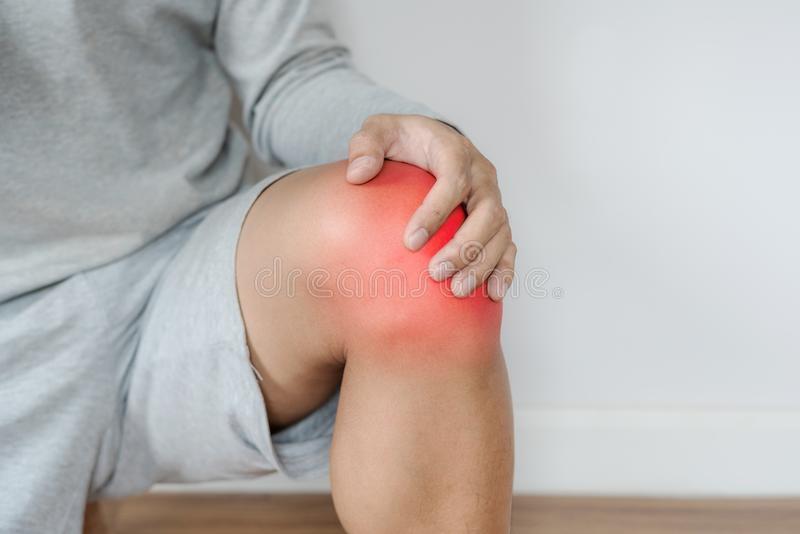
Man holding his knee
Uncategorized

Understanding Knee Bursitis

Knee bursitis is a condition characterized by inflammation of the bursae—small fluid-filled sacs that cushions the knee joint. These sacs reduce friction between the bones, tendons, and muscles, allowing smooth movement. When the bursae become irritated or inflamed, it can result in knee pain, swelling, and limited mobility.

Causes and Symptoms

Knee bursitis can be caused by repetitive motion, prolonged kneeling, a direct blow to the knee, or infection. Athletes, particularly runners and those involved in sports requiring a lot of jumping or kneeling, are especially susceptible. Common symptoms include:

  • Pain: Often sharp or aching, especially when moving the knee.
  • Swelling: Visible swelling around the knee.
  • Tenderness: The area may be tender to the touch.
  • Limited Range of Motion: Difficulty in fully bending or straightening the knee.

Role of Physiotherapy in Managing Knee Bursitis

Physiotherapy plays a crucial role in managing and rehabilitating knee bursitis. The primary goals of physiotherapy are to reduce pain, decrease inflammation, restore normal function, and prevent recurrence.

1. Initial Assessment and Diagnosis

A thorough assessment by a physiotherapist is essential to confirm the diagnosis and identify the underlying cause. This may involve a physical examination, reviewing medical history, and, if necessary, imaging studies like ultrasound or MRI.

2. Pain Management

Rest and Ice: Initially, resting the knee and applying ice can help reduce inflammation and pain. Ice should be applied in 20-minute intervals several times a day.

Therapeutic Modalities: Physiotherapists may use modalities like ultrasound therapy, electrical stimulation, or laser therapy to reduce pain and promote healing.

Pain Relief Exercises: Gentle range-of-motion exercises are introduced to maintain mobility and prevent stiffness.

3. Stretching and Strengthening Exercises

Stretching: As the pain subsides, gentle stretching exercises can help alleviate tension around the knee.

Strengthening: Strengthening the muscles around the knee and the hips, is vital. Strong muscles help support the knee joint, reducing stress on the bursae.

These exercises should be performed under the guidance of a physiotherapist to ensure proper technique and avoid aggravating the condition.

4. Improving Flexibility and Mobility

Manual Therapy: Physiotherapists may use manual techniques like joint mobilization or soft tissue massage to improve knee joint mobility and reduce stiffness.

Range of Motion Exercises: As recovery progresses, more dynamic exercises are introduced to restore full knee movement. This includes activities like stationary cycling or swimming, which are low-impact and gentle on the joints.

5. Education and Prevention

Posture and Body Mechanics: Educating patients on proper posture and body mechanics during activities can prevent undue stress on the knee. This includes guidance on correct squatting techniques or how to modify activities to reduce knee strain.

Footwear: Wearing supportive footwear can also make a significant difference, especially in individuals with abnormal foot mechanics, which can contribute to knee bursitis.

Activity Modification: Identifying and modifying activities that exacerbate symptoms is key to preventing recurrence. For athletes, this may involve altering training routines or incorporating cross-training to reduce repetitive strain.

Knee bursitis, while painful, is a condition that responds well to physiotherapy. Through a combination of pain management, targeted exercises, manual therapy, and patient education, physiotherapy helps alleviate symptoms and restore knee function. Early intervention and adherence to a personalized rehabilitation program are essential for a full recovery and prevention of future episodes.

If you are experiencing knee pain and are looking start physiotherapy. Contact the professionals and The Durham Orthopedic & Sports Injury Clinic and start your road to recovery today!

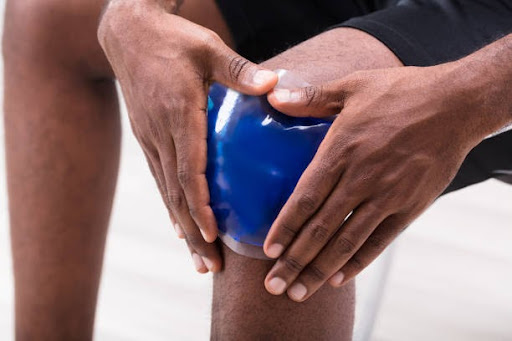
Person icing their knee
Uncategorized

Is Icing a Good Treatment For Sports Injuries?

We have all heard the term RICE (Rest, Ice, Compression, Elevation) when you sustain an injury, but is icing alone a good treatment for sports injuries? What is the best way to take care of your sports injuries? Injuries can come from all different types of physical activity. Joint sprains, muscle strains and ligament injuries are the most common. 

Icing is found to be most beneficial within the first 24-72 hours of your injury. You want to apply ice for 15-20 minutes every 3 hours. 


The Proper Icing Technique

When Icing you want to make sure you are applying ice properly to the injured area. Below are some tips on how and when to ice your sports injury. 

  1. Get ice on the injury as quickly as possible

The beneficial effects of icing decreases after 48-72 hours. Applying ice to the injury as soon as possible will drastically reduce swelling and inflammation.  

  1. Elevate

Elevating your injury above your heart is very important when icing. This not only helps to reduce inflammation it will help you recover faster. 

  1. Time 

Time is very important when icing. Leaving the ice on for too long can cause tissue damage, reduce blood flow and sometimes it can even cause frostbite.

Ice vs Heat

As mentioned, you should ice as soon as you can after an injury, however heat can also be an effective treatment for injured or sore muscles. 

Heat should be used for conditions that are more chronic such as an ongoing sore back,tight muscle pain or to help alleviate arthritis pain. Heat relaxes the muscles and tissues, while ice is used to reduce the inflammation.

When To Seek Professional Help

It is recommended that you should seek professional medical help if your injury is hindering your day to day abilities. Chronic pain, recurring pain and mobility issues are all valid reasons to start physical therapy. See a physiotherapist so you can start your road to recovery.  

Looking to Book An Appointment?

Durham Orthopedic Sports and Injury Clinic have four physiotherapists on their staff and one massage therapist on their staff who are always able to help and treat your injuries at the source of the problem. For more information on our professionals click the link below.