Uncategorized

Why Your Shoulder Hurts When You Sleep on It

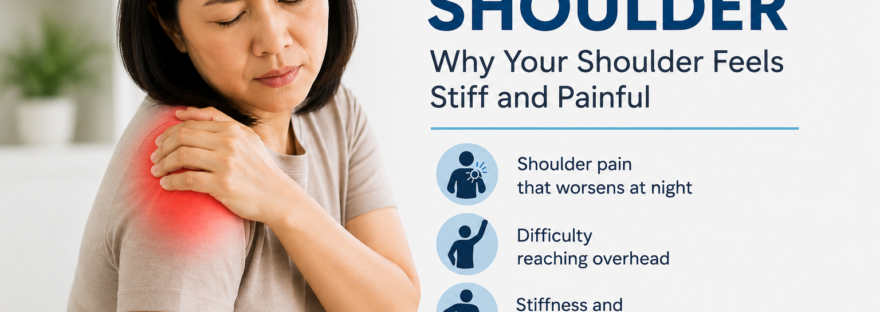
Waking up with shoulder pain, especially when you’ve slept on your side is frustrating and surprisingly common. Many people assume it’s just the way they slept or that it will go away on its own, but recurring nighttime shoulder pain is often a sign that something deeper is going on.

The good news? Most causes of shoulder pain while sleeping are treatable with the right approach.

Common Reasons Your Shoulder Hurts at Night

1. Rotator Cuff Irritation

The rotator cuff is a group of muscles and tendons that help stabilize your shoulder. When irritated or weak, lying on the shoulder can compress these tissues, leading to pain, especially at night when muscles are relaxed.

2. Shoulder Impingement

Impingement occurs when shoulder structures get pinched during movement or sustained positions, such as side sleeping. This often causes pain when lying on the affected side or lifting the arm overhead.

3. Poor Sleeping Position

Sleeping with your arm tucked under your body or head can place excessive strain on the shoulder joint and surrounding muscles, limiting blood flow and increasing irritation overnight.

4. Postural Issues

Rounded shoulders or forward head posture during the day can alter how your shoulder sits in the joint. Over time, this makes the shoulder more sensitive to pressure when sleeping.

5. Referred Pain From the Neck

Sometimes shoulder pain doesn’t originate in the shoulder at all. Neck stiffness or nerve irritation can refer to pain into the shoulder, especially when lying down.

Why Shoulder Pain Often Feels Worse at Night

At night, muscles relax and inflammation can become more noticeable without daytime distractions. Lying still for long periods also reduces circulation, which can increase stiffness and discomfort.

What You Can Do Right Now

  • Avoid sleeping directly on the painful shoulder
  • Use a supportive pillow to keep your neck and shoulder aligned
  • Try hugging a pillow to prevent the shoulder from rolling forward
  • Avoid sleeping with your arm overhead or tucked underneath you

These adjustments can reduce pressure, but they don’t address the root cause.

How Physiotherapy Helps Shoulder Pain

Physiotherapy focuses on identifying why the shoulder is becoming irritated in the first place. Treatment may include:

  • Improving shoulder and upper back mobility
  • Strengthening the rotator cuff and surrounding muscles
  • Addressing posture and movement habits
  • Reducing inflammation and restoring normal joint mechanics

By treating the underlying issue, physiotherapy helps reduce nighttime pain and prevent it from returning.

When to Get It Checked

If shoulder pain:

  • Wakes you up at night
  • Lasts more than a week or two
  • Gets worse when lying on it
  • Limits your daily movement

It is worth seeing a physiotherapist at the Durham Orthopedic & Sports Injury Clinic.

You Don’t Have to Sleep Through the Pain

Nighttime shoulder pain isn’t something you should just “push through.” With the right treatment plan, most people see significant improvement and can sleep comfortably again. If you are experiencing shoulder pain. Contact the professionals at Durham Orthopedic & Sports Injury Clinic and start your road to recovery today!

Uncategorized

Common Causes of Knee Pain When Walking or Using Stairs

1. Patellofemoral Pain Syndrome (Runner’s Knee)

This occurs when the kneecap doesn’t track smoothly along the thigh bone.

Common signs include:

  • Pain around or behind the kneecap
  • Discomfort going down stairs or after sitting for long periods
  • Pain during squats or lunges

This is often linked to muscle imbalances, poor hip control, or altered movement patterns, not damage to the knee itself.

2. Quadriceps or Patellar Tendon Irritation

The tendons connecting your kneecap to your thigh and shin bones can become irritated from overuse or sudden increases in activity.

You may notice:

  • Pain at the front of the knee
  • Tenderness just above or below the kneecap
  • Discomfort during stairs, running, or jumping

Tendon pain often worsens when load management and strength aren’t addressed properly.

3. Meniscus Irritation

The meniscus is cartilage that helps cushion and stabilize the knee.

Symptoms can include:

  • Pain during twisting or pivoting
  • Stiffness or swelling
  • Discomfort when walking downhill or on uneven surfaces

Not all meniscus issues require surgery. Many respond very well to physiotherapy.

4. Hip or Ankle Weakness (Hidden Causes)

Sometimes the knee isn’t the real problem.

Weak glutes, poor ankle mobility, or altered walking mechanics can shift excess stress into the knee, especially during stair use.

This is why knee pain often persists even when imaging looks “normal.”

What Actually Helps Knee Pain?

Strengthening the Right Muscles

Targeted strengthening of the quadriceps, glutes, and hip stabilizers helps reduce stress on the knee and improves movement control.

Improving Movement Patterns

How you walk, squat, and use stairs matters. Small changes in movement can significantly reduce pain.

Load Management

Doing too much too soon or resting too long, can both delay recovery. A guided plan makes a big difference.

Hands-On Therapy 

Manual therapy can help reduce stiffness, improve joint motion, and calm irritated tissues.

When Should You Get Knee Pain Checked?

You should consider seeing a physiotherapist if:

  • Knee pain lasts longer than 1–2 weeks
  • Pain is worsening or limiting daily activity
  • Stairs, walking, or exercise feel increasingly difficult
  • Pain keeps returning after rest

Early assessment often prevents minor issues from becoming long-term problems.

How Physiotherapy Can Help

Physiotherapy focuses on identifying why your knee hurts, not just where it hurts. Treatment is tailored to your movement, lifestyle, and activity goals, whether that’s staying active, working comfortably, or returning to sport.

Looking for Knee Pain Treatment in The Durham Region?

If knee pain is affecting your day-to-day life, contact the physiotherapists at Durham Orthopedic & Sports Injury Clinic proper assessment can help you move comfortably again and prevent future flare ups.

Uncategorized

The Hidden Reason Your Injury Keeps Coming Back

Many people experience pain that improves for a while, only to flare up again weeks or months later. It can be discouraging, confusing, and frustrating, especially when you feel like you’ve done everything “right”to help settle it down.

The truth is, recurring injuries usually aren’t bad luck. There’s often a hidden reason they keep returning.

Pain Going Away Doesn’t Mean You’re Fully Healed

One of the most common misunderstandings about injuries is equating pain relief with recovery.

Pain often settles before tissues are fully prepared to handle daily demands again. When discomfort fades, people naturally return to normal activities, lifting, exercising, working, or playing sports, even though strength, control, and tolerance haven’t fully returned.

This creates a cycle:

  • Pain appears
  • You rest or modify activity
  • Pain decreases
  • You resume normal activity
  • Pain returns

The injury didn’t come back, it was never fully resolved in the first place.

Rest Alone Isn’t a Long-Term Solution

Rest has its place, especially early on. But extended or repeated rest can actually make recurring injuries more likely.

When injured areas aren’t gradually reloaded:

  • Muscles lose strength
  • Tendons and joints lose tolerance
  • Movement patterns change to “protect” the area

Over time, your body becomes less capable of handling stress — not more. The next time you lift, run, or even sit for long periods, the same tissues get overloaded again.

Your Body Adapts Sometimes in the Wrong Way

When one area isn’t working well, the body compensates. These compensations are clever in the short term, but problematic long term.

For example:

  • A weak hip may overload the knee
  • A stiff upper back may strain the neck or shoulders
  • An old ankle injury may alter walking mechanics

Even if pain shows up in the same place every time, the root cause is often somewhere else. Treating only the painful area without addressing these movement patterns allows the issue to resurface.

The Missing Piece: Load Tolerance

One of the biggest reasons injuries keep coming back is insufficient load tolerance.

Your body needs to be able to tolerate:

  • Work demands
  • Exercise and sports
  • Repetitive daily movements

If tissues aren’t progressively strengthened and exposed to controlled stress, they remain vulnerable. This is why people often feel “fine” until they:

  • Increase activity
  • Start a new workout
  • Work longer hours
  • Lift something awkward

Physiotherapy focuses on rebuilding this tolerance safely, rather than avoiding stress altogether.

Why “Quick Fixes” Don’t Prevent Recurrence

Ice, heat, massage, and pain medication can all help reduce symptoms and they absolutely have a role. But on their own, they don’t change how your body moves or handles load.

Without addressing:

  • Strength deficits
  • Mobility restrictions
  • Movement control
  • Activity progression

Relief tends to be temporary.

How Physiotherapy Helps Break the Cycle

Physiotherapy isn’t just about treating pain, it’s about preventing it from returning.

A proper physiotherapy approach focuses on:

  • Identifying why the injury happened in the first place
  • Restoring strength, mobility, and control
  • Gradually increasing load and activity tolerance
  • Teaching you how to manage flare-ups before they become setbacks

This is what allows long-term recovery, not just short-term relief.

If your injury keeps coming back, it’s usually not because your body is fragile, it’s because it hasn’t been fully prepared to handle what you’re asking of it.

Pain relief is only one step. True recovery means building resilience, strength, and confidence in movement so your body can keep up with your life.

If recurring pain is holding you back, contact the Durham Orthopedic & Sports Injury Clinic to help uncover the real reason and help you move forward without constantly restarting the healing process.

Uncategorized

Hip, Wrist, and Shoulder Injuries After Ice Related Falls

Winter slips happen fast. One second you’re walking, the next you’re on the ground wondering what just happened.

Ice related falls are one of the most common causes of injury during winter, and they don’t just affect older adults. We regularly see active adults, workers, runners, and parents injured after a simple slip on icy sidewalks, driveways, or parking lots.

The tricky part? These injuries don’t always feel serious right away. Pain can show up days later or quietly linger until it starts interfering with daily life.

Why Ice Related Falls Cause These Injuries

When you slip on ice, your body reacts instinctively. You try to catch yourself, twist away, or brace for impact, often all at once.

That sudden, uncontrolled movement puts stress on areas that aren’t prepared to absorb force, especially the hips, wrists, and shoulders.

Unlike sports injuries where the body may be warmed up and moving predictably, winter falls usually happen:

  • Without warning
  • With poor footing
  • In awkward positions

This combination increases the risk of strain, joint irritation, and even fractures.

Hip Injuries After a Fall

The hips take a lot of force during a slip, especially if you land sideways or twist as you fall.

Common hip related issues we see include:

  • Deep hip or groin pain
  • Bruising and stiffness
  • Difficulty walking or climbing stairs
  • Pain that worsens after sitting or standing too long

Sometimes the pain isn’t directly in the hip joint itself. Muscles, tendons, or surrounding structures may be overloaded, leading to lingering discomfort if not addressed properly

Wrist Injuries: The Natural “Catch”

Most people instinctively put their hands out to break a fall. Unfortunately, the wrist isn’t designed to absorb your full body weight suddenly.

Common wrist injuries after ice-related falls include:

  • Wrist sprains or strains
  • Ligament irritation
  • Tendon inflammation
  • Fractures (especially with more forceful falls)

Even if X-rays show no fracture, wrist pain can persist if swelling, stiffness, or loss of strength isn’t properly managed.

Shoulder Injuries From Bracing or Impact

Shoulder injuries often happen when someone lands on an outstretched arm or shoulder.

Symptoms can include:

  • Pain when lifting the arm
  • Night pain when lying on the affected side
  • Weakness or instability
  • Limited range of motion

Because the shoulder relies heavily on muscle coordination, even a minor fall can disrupt how the joint moves, leading to pain that sticks around longer than expected.

Why These Injuries Can Linger

One of the biggest frustrations after a winter fall is that pain doesn’t always improve on its own.

Common reasons symptoms linger include:

  • Loss of strength after injury
  • Joint stiffness and reduced mobility
  • Altered movement patterns to “protect” the area
  • Returning to activity too quickly

Pain may settle initially, but without restoring strength, control, and tolerance, the injury often resurfaces during normal daily activities.

How Physiotherapy Helps After a Winter Fall

Physiotherapy focuses on more than just pain relief.

Treatment after an ice-related fall often includes:

  • Assessing how the joint and surrounding muscles are moving
  • Restoring strength and mobility safely
  • Improving balance and coordination
  • Gradually reintroducing daily and work activities
  • Preventing future falls and repeat injuries

Addressing the injury early helps reduce the risk of chronic pain and recurring flare-ups.

When to Seek Physiotherapy After a Fall

You should consider physiotherapy if:

  • Pain hasn’t improved after a few days
  • You notice stiffness, weakness, or limited movement
  • Daily tasks feel harder than before
  • Pain returns when you try to be active again

Ignoring these signs can lead to longer recovery times and unnecessary setbacks.

Ice related falls may seem minor at first, but hip, wrist, and shoulder injuries can quietly turn into long-term issues if left untreated.

Early assessment, proper movement, and gradual strengthening can make the difference between a quick recovery and months of frustration.

If you’ve had a fall this winter and something doesn’t feel right, contact the team at Durham Orthopedic & Sports Injury Clinic to help assess the injury and guide you back to confident, pain free movement.

Uncategorized

The Hidden Reason Your Injury Keeps Coming Back

Many people experience pain that improves for a while, only to flare up again weeks or months later. It can be discouraging, confusing, and frustrating, especially when you feel like you’ve done everything “right”to help settle it down.

The truth is, recurring injuries usually aren’t bad luck. There’s often a hidden reason they keep returning.

Pain Going Away Doesn’t Mean You’re Fully Healed

One of the most common misunderstandings about injuries is equating pain relief with recovery.

Pain often settles before tissues are fully prepared to handle daily demands again. When discomfort fades, people naturally return to normal activities, lifting, exercising, working, or playing sports, even though strength, control, and tolerance haven’t fully returned.

This creates a cycle:

  • Pain appears
  • You rest or modify activity
  • Pain decreases
  • You resume normal activity
  • Pain returns

The injury didn’t come back, it was never fully resolved in the first place.

Rest Alone Isn’t a Long Term Solution

Rest has its place, especially early on. But extended or repeated rest can actually make recurring injuries more likely.

When injured areas aren’t gradually reloaded:

  • Muscles lose strength
  • Tendons and joints lose tolerance
  • Movement patterns change to “protect” the area

Over time, your body becomes less capable of handling stress — not more. The next time you lift, run, or even sit for long periods, the same tissues get overloaded again.

Your Body Adapts Sometimes in the Wrong Way

When one area isn’t working well, the body compensates. These compensations are clever in the short term, but problematic long term.

For example:

  • A weak hip may overload the knee
  • A stiff upper back may strain the neck or shoulders
  • An old ankle injury may alter walking mechanics

Even if pain shows up in the same place every time, the root cause is often somewhere else. Treating only the painful area without addressing these movement patterns allows the issue to resurface.

The Missing Piece: Load Tolerance

One of the biggest reasons injuries keep coming back is insufficient load tolerance.

Your body needs to be able to tolerate:

  • Work demands
  • Exercise and sports
  • Repetitive daily movements

If tissues aren’t progressively strengthened and exposed to controlled stress, they remain vulnerable. This is why people often feel “fine” until they:

  • Increase activity
  • Start a new workout
  • Work longer hours
  • Lift something awkward

Physiotherapy focuses on rebuilding this tolerance safely, rather than avoiding stress altogether.

Why “Quick Fixes” Don’t Prevent Recurrence

Ice, heat, massage, and pain medication can all help reduce symptoms and they absolutely have a role. But on their own, they don’t change how your body moves or handles load.

Without addressing:

  • Strength deficits
  • Mobility restrictions
  • Movement control
  • Activity progression

Relief tends to be temporary.

How Physiotherapy Helps Break the Cycle

Physiotherapy isn’t just about treating pain, it’s about preventing it from returning.

A proper physiotherapy approach focuses on:

  • Identifying why the injury happened in the first place
  • Restoring strength, mobility, and control
  • Gradually increasing load and activity tolerance
  • Teaching you how to manage flare-ups before they become setbacks

This is what allows long-term recovery, not just short-term relief.

If your injury keeps coming back, it’s usually not because your body is fragile, it’s because it hasn’t been fully prepared to handle what you’re asking of it.

Pain relief is only one step. True recovery means building resilience, strength, and confidence in movement so your body can keep up with your life.

If recurring pain is holding you back, contact the Durham Orthopedic & Sports Injury Clinic to help uncover the real reason and help you move forward without constantly restarting the healing process.

Uncategorized

Why Your Shoulder Pain Isn’t Going Away on Its Own

Shoulder pain is one of those issues many people expect to “just work itself out.” You rest it for a few days, maybe take some pain medication, avoid certain movements, but weeks or even months later, the pain is still there.

If this sounds familiar, you’re not alone and there’s usually a reason your shoulder pain isn’t improving on its own.

The Shoulder Is a Complex Joint

The shoulder is one of the most mobile joints in the body. That flexibility is great for daily activities, sports, and work tasks, but it also makes the shoulder more vulnerable to injury.

Your shoulder relies on a combination of muscles, tendons, ligaments, and joint structures working together. When one part isn’t doing its job properly, other areas often compensate. Over time, this compensation can keep pain lingering or even make it worse.

Rest Alone Often Isn’t Enough

While rest can help in the early stages of an injury, too much rest can actually slow recovery.

When the shoulder isn’t moving properly:

  • Muscles weaken
  • Joint stiffness increases
  • Movement patterns become abnorma

This can lead to ongoing pain even after the original irritation has settled. Without proper guidance, people often return to activity too soon or move in ways that keep re-irritating the area.

Common Reasons Shoulder Pain Persists

Persistent shoulder pain often comes down to one or more of the following:

1. Muscle Imbalances or Weakness

If certain muscles around the shoulder or upper back aren’t strong enough, the joint may not be properly supported during movement.

2. Poor Movement Patterns

Daily habits like slouching, repetitive lifting, or overhead work can place constant strain on the shoulder without you realizing it.

3. Tendon Irritation

Conditions such as rotator cuff tendinopathy don’t usually heal well with rest alone. These tissues often need gradual, controlled loading to recover.

4. Reduced Shoulder Mobility

Stiffness in the shoulder, upper back, or even the neck can change how forces move through the joint, leading to ongoing discomfort.

5. Ignoring Early Symptoms

Many people wait too long before addressing shoulder pain. What starts as a mild ache can become a more persistent issue if left untreated.

Why Pain Can Stick Around Even Without “Serious” Damage

One common misconception is that ongoing pain always means something is seriously wrong. In reality, pain can persist due to:

  • Sensitive tissues
  • Protective muscle guarding
  • Altered movement patterns

Physiotherapy focuses on addressing these factors, not just treating pain at the surface level.

How Physiotherapy Helps Shoulder Pain Resolve

Physiotherapy takes an active approach to recovery by:

  • Identifying the root cause of your pain
  • Restoring proper shoulder and upper back movement
  • Strengthening the muscles that support the joint
  • Improving posture and movement habits
  • Guiding a safe, gradual return to activity

Rather than masking symptoms, physiotherapy helps your shoulder function better so pain can actually resolve.

When You Should Get Your Shoulder Checked

It’s a good idea to see a physiotherapist if:

  • Shoulder pain has lasted more than a couple of weeks
  • Pain returns every time you resume activity
  • You have pain lifting your arm or reaching overhead
  • Night pain or stiffness is affecting your sleep
  • You feel weakness or instability in the shoulder

Early treatment often leads to faster recovery and prevents chronic issues from developing.

You Don’t Have to Live With Ongoing Shoulder Pain

If your shoulder pain isn’t improving on its own, it’s usually a sign that your body needs the right kind of support, not just more rest.

Contact our team at Durham Orthopedic & Sports Injury Clinic to help you restore mobility and move with confidence.

Health, Health Tips, Physio

Why Your Hip Mobility Matters More Than You Think

Most people don’t think about their hips until they start to feel stiff, sore, or limited in their movement. But your hips play a central role in almost every activity you do walking, standing, bending, lifting, running, and even maintaining good posture.

When the hips don’t move well, other parts of the body have to compensate, which can lead to pain and dysfunction over time. Improving hip mobility is one of the most effective ways to support long-term joint health and overall movement.

1. The Hips Are the Foundation of Lower Body Movement

Your hips are a major weight-bearing joint, designed to move through multiple planes of motion. When hip mobility is restricted, other areas, especially the lower back, knees, and pelvis start absorbing forces they were never meant to handle.

This often results in:

  • Lower back pain
  • Knee discomfort
  • Tight hamstrings
  • Difficulty squatting or bending
  • Reduced stability when walking

For many patients we see, improving hip mobility improves overall movement quality.

2. Tight Hips Can Impact Your Posture

Prolonged sitting (work, commuting, screen time) causes the hip flexors to shorten. This tightness gradually pulls the pelvis forward, increasing the arch in your lower back and placing extra strain on surrounding muscles and joints.

Common signs of hip related posture issues include:

  • Achy or tight lower back
  • Stiffness when standing up
  • Fatigue in the hips or legs
  • Feeling “tilted forward” when walking

Addressing hip tightness is one of the simplest ways to improve posture without forcing your body into unnatural positions.

3. Mobile Hips Improve Strength and Performance

Strong, healthy movement depends on how well your hips move. Restricted hips can limit the power your glutes, hamstrings, and core can generate.

Good hip mobility improves performance in:

  • Running and jogging
  • Weightlifting
  • Sports and recreational activities
  • Daily movements like lifting, bending, climbing stairs

When the hips move properly, the rest of the body functions more efficiently.

4. Hip Mobility Supports Healthy Aging

As we get older, the hips naturally stiffen, especially if we’ve been sitting more, exercising less, or recovering from previous injuries.

Improving hip mobility supports:

  • Balance and fall prevention
  • Comfortable walking
  • Easier daily movement
  • Healthy joints and cartilage
  • Confidence staying active

Maintaining hip flexibility and strength is one of the best long term investments you can make in your mobility.

5. Physiotherapy Provides Targeted Solutions

A physiotherapist can assess which muscles or joints are contributing to your hip stiffness and create a personalized treatment plan.

Treatment may include:

  • Manual therapy to improve joint mobility
  • Soft tissue release
  • Targeted strengthening
  • Mobility and flexibility exercises
  • Posture correction strategies
  • A simple home program you can maintain easily

Many patients notice improvement within just a few sessions.

Your hips affect far more than you may realize. When they move well, your body feels stronger, more stable, and more comfortable. When they’re stiff, everything around them has to work harder.

If you’re experiencing hip tightness, lower back pain, knee pain, or general stiffness, contact our team at Durham Orthopedic & Sports Injury Clinic to help you restore mobility and move with confidence.

Uncategorized

Winter Stress Relief: How Massage Therapy Helps Reduce Tension

Winter in the Durham Region brings colder temperatures, shorter days, and a natural increase in muscle tension and stress. Many people notice their shoulders creeping upward, their neck feeling tighter, and their overall energy dipping as the weeks get darker and colder.

Massage therapy offers more than relaxation, it’s a clinical, evidence based way to reduce winter stress, improve muscle function, and help your body move and feel better during the coldest months of the year.

Here’s why massage therapy is especially effective during winter.

1. Cold Weather Naturally Increases Muscle Tension

When temperatures drop, the body reacts by tightening muscles,  especially around the neck, shoulders, and upper back to preserve heat. This automatic “shrugging” response causes:

  • Increased muscle stiffness
  • Reduced circulation
  • More frequent headaches
  • Soreness and fatigue

Massage therapy helps reverse this process by  relaxing overactive muscles, and restoring healthy blood flow.

2. Massage Helps Reduce Stress and Anxiety

Winter often brings more stress because of busy schedules, holiday pressure, reduced sunlight, and less time outdoors. These factors can increase the body’s production of stress hormones, which contribute to muscle tension, fatigue, and sleep disturbances.

Massage therapy helps by:

  • Lowering cortisol (stress hormone) levels
  • Encouraging relaxation of the nervous system
  • Improving sleep quality
  • Helping your body “reset” after long periods of tension

Many patients say they leave their winter massage sessions feeling clearer, calmer, and more energized.

3. Improved Circulation in Colder Months

Cold weather can contribute to making muscles feel tighter, therefore decreasing blood flow to these tight muscles

Massage therapy improve circulation by:

  • Increasing warmth in stiff areas
  • Helping muscles relax and therefore improve blood flow to the affected muscles
  • Assisting with recovery after exercise or long days at a desk
  • Reducing swelling and inflammation

This is especially helpful for people working indoors, commuting long hours, or dealing with chronic stiffness.

4. Relief for Winter Headaches and Neck Pain

Many people experience more tension headaches during winter due to:

  • Tight shoulder and neck muscles
  • Poor posture from working at a computer
  • Cold-induced muscle guarding
  • Stress and fatigue

Massage therapy releases trigger points, relaxes the shoulder girdle, and reduces pressure in the upper back and neck often providing quick relief.

5. Helping You Stay Active During the Winter

Colder months can make it harder to stick to an exercise routine. Massage therapy helps by assisting in keeping your muscles flexible and reducing post exercise stiffness, allowing you to stay consistent with:

  • Gym workouts
  • Running
  • Home exercise programs
  • Outdoor activities

Healthy mobility supports overall motivation and energy levels during the winter slowdown.

6. Massage Supports Overall Well-Being

Beyond pain relief, massage therapy helps with:

  • Improved mood
  • Better sleep
  • Reduced physical fatigue
  • A greater sense of calm and balance

These benefits are especially valuable from December through March, when many people feel the impact of darker days and colder weather.

Winter creates the perfect storm for increased stress and muscle tension. Massage therapy offers a safe, effective, and restorative way to reduce tightness, improve mobility, and support your mental and physical well-being.

If cold weather tension is slowing you down, contact us today to book a massage therapy appointment. Our Registered Massage Therapists are here to help.

Uncategorized

Why Winter Is the Perfect Time to Focus on Rehab

When Life Slows Down, Recovery Speeds Up

Winter tends to bring a slower pace. Fewer outdoor sports, shorter days, and more time spent indoors. That makes it one of the best seasons to finally focus on your recovery. Whether you’re managing a lingering shoulder issue, recovering from knee surgery, or dealing with chronic low back pain, this is your chance to rebuild strength and mobility before spring rolls around.

Why Winter Is Ideal for Physiotherapy Rehab

  1. Less Physical Strain: With fewer high impact outdoor activities, your body gets a true chance to heal.
  2. Consistent Routine: The cooler months often mean more structure in your schedule, perfect for sticking to regular physiotherapy appointments.
  3. Prevent Stiffness and Pain: Cold weather can tighten muscles and joints. Staying active through rehab keeps blood flowing and pain levels down.
  4. Prepare for Spring Activities: Working on balance, mobility, and strength now means fewer injuries once you’re back to gardening, running, or sports in warmer months.

Small Steps, Big Results

Even if you’re not recovering from an acute injury, winter is a great time to address those nagging issues that you’ve been putting off, like shoulder tension, hip stiffness, or chronic back pain. Our physiotherapists will assess your movement, create a customized exercise plan, and help you move better every week.

Your Recovery Doesn’t Need to Wait for Spring

If you’ve been delaying physiotherapy because life gets busy, this winter is your opportunity to start fresh. With the right plan and support, you can enter spring feeling stronger, more mobile, and pain free.

Contact the professional physiotherapists to book your appointment today at Durham Orthopedic & Sports Injury Clinic your recovery starts here.

Cartoon-style illustration showing four scenes related to muscle tension and stress relief: a man holding his sore neck, a woman looking tense, a person stretching while seated, and a physiotherapist massaging a patient’s shoulders in a calm setting.”
Uncategorized

The Connection Between Stress and Muscle Tension

You’re Not Just Tired, You’re Tense

Ever notice your neck and shoulders tighten up when you’re stressed? At Durham Orthopedic & Sports Injury Clinic, we constantly see the effects of increased stress on our musculoskeletal system.

The truth is, stress doesn’t just affect your mind, it affects your muscles, too.

1. How Stress Shows Up in Your Body

When you’re under stress, your body releases stress hormones like cortisol and adrenaline. These trigger your fight or flight response, which causes muscles (especially in the neck, shoulders, and back) to tighten automatically.

That’s great in short bursts, like if you were escaping danger but when stress becomes constant, so does the tension.
Over time, this can lead to:

  • Headaches or jaw pain (from clenching)
  • Neck and shoulder stiffness
  • Low back pain
  • Poor posture and fatigue

Your body stays “on alert,” even when you’re just sitting at your desk.

2. Why It Matters

Chronic tension limits your movement and circulation, reducing how well oxygen and nutrients reach your muscles. This makes them more prone to fatigue, knots, and even small strains.

The longer you stay tense, the more your brain starts to expect that tightness, it becomes your “new normal,” which makes recovery harder.

3. How to Break the Cycle

The good news? You can reset that stress-tension loop. Try these simple steps:

  • Move every hour. Even light movement signals your body that it’s safe to relax.
  • Stretch key areas. Focus on your neck, shoulders, and chest to undo that hunched posture.
  • Breathe deeply. Slow, controlled breathing lowers stress hormones and relaxes muscles.
  • Stay active. Regular exercise (even walking) helps release tension naturally.
  • Unplug. Give your mind a break from screens when possible — mental rest helps physical rest.

4. How Physiotherapy Can Help

Sometimes, tension builds up to the extent that it cannot be released on your own. That’s where physiotherapy comes in.

At Durham Orthopedic & Sports Injury Clinic, our physiotherapists use a combination of manual therapy, targeted stretching, and movement retraining to release tight muscles and restore normal movement patterns.

We also help you recognize the daily habits, posture, breathing, or workstation setup, that keep your body stuck in stress mode.

5. The Bottom Line

Stress is unavoidable. Pain doesn’t have to be.

If you’re feeling tight, tense, or constantly sore, your body might be asking for a reset. Contact the professional physiotherapists at Durham Orthopedic & Sports Injury Clinic. We’ll help you release that tension and get back to feeling like yourself again.