Uncategorized

Common Fall Hiking Injuries & How Physiotherapy Can Help


Fall is one of the best times of year to enjoy the outdoors in Ontario. The crisp air, colourful leaves, and local trails around the Durham Region make it the perfect season for hiking. But with uneven ground, slippery leaves, and longer treks, injuries are common this time of year.

The Most Common Fall Hiking Injuries

  1. Ankle Sprains – Uneven trails and loose rocks can easily twist an ankle. Without proper rehab, sprains can become chronic problems.
  2. Knee Pain – Steep climbs and descents often irritate the knees, especially for hikers with existing joint issues.
  3. Back Strain – Carrying heavy backpacks or slipping on wet ground can put stress on the lower back.
  4. Foot & Heel Pain – Plantar fasciitis flare-ups often happen after long hikes on uneven terrain.

How Physiotherapy Helps

At the Durham Orthopedic & Sports Injury Clinic, physiotherapy treatment for hiking injuries goes beyond just short term pain relief. We focus on:

  • Hands-on therapy to reduce swelling and restore mobility.
  • Exercise rehab to strengthen joints and prevent re-injury.
  • Gait and footwear assessment to ensure you’re hiking with proper support.
  • Education & prevention strategies so you can enjoy the trails without setbacks.”

Don’t Let an Injury Keep You Indoors

If you’ve hurt yourself on the trails this fall, early treatment is key. Physiotherapy helps speed up recovery and keeps small injuries from becoming chronic problems. Book an appointment today and get back to enjoying the outdoors.

Uncategorized

Massage Therapy for Headaches & Migraines: How It Helps

If you struggle with frequent headaches or migraines, you’re not alone. Millions of Canadians experience them every year, and for many people, they disrupt work, sleep, and daily life. While painkillers might offer short term relief, they don’t get to the root of the problem. That’s where massage therapy comes in  a natural, hands on way to reduce pain and prevent future flare ups.

At the Durham Orthopedic & Sports Injury Clinic located in Pickering Village, massage therapy is one of the most effective tools we use to help patients manage and relieve headaches.

What Causes Headaches and Migraines?

Headaches and migraines can have many different triggers, including:

  • Muscle tension in the neck, shoulders, or upper back
  • Poor posture from long hours at a desk or on your phone
  • Stress and anxiety leading to tight muscles and increased pain sensitivity
  • Jaw clenching or teeth grinding (TMJ dysfunction)
  • Circulation issues or nerve irritation

For many people, tension headaches are linked directly to tight muscles and stress — which means massage therapy may help alleviate the symptoms.

How Massage Therapy Helps Headache Relief

Massage therapy works by targeting the muscles and soft tissues that contribute to headache pain. Benefits include:

  • Reduced muscle tension – loosens tight neck and shoulder muscles that often trigger headaches.
  • Improved circulation – helps blood flow to the head and neck, reducing pain and pressure.
  • Stress relief – lowers cortisol (stress hormone) levels and promotes relaxation.
  • Fewer migraines – regular massage therapy can decrease frequency and intensity of migraine episodes.

Research shows that consistent massage therapy sessions not only reduce pain but also improve overall well being, making them a safe, drug free option.

When to See a Massage Therapist

While occasional headaches are common, you should consider professional help if you experience:

  • Headaches more than a few times per week
  • Migraines that interfere with daily activities
  • Pain that does not respond to over-the-counter medication
  • Headaches linked to posture, stress, or muscle tightness

A massage therapist can work with you to address posture, muscle imbalances, and lifestyle factors, often combining massage therapy with targeted exercises and stress management strategies for long term results.

Local Massage Therapy in Ajax

If headaches or migraines are affecting your life, don’t just push through the pain. Massage therapy at our the Durham Orthopedic & Sports Injury Clinic can help you find relief.

Book your appointment today and take the first step toward living headache-free.

Uncategorized

Durham Orthopedic & Sports Injury Clinic for Sciatica Relief

If you’ve ever felt a sharp pain shooting down your lower back, hip, or leg, you might be dealing with sciatica. It’s a common condition and the pain can range from mildly uncomfortable to completely debilitating. The good news? The physiotherapists at Durham Orthopedic & Sports Injury Clinic can help.

What Is Sciatica?

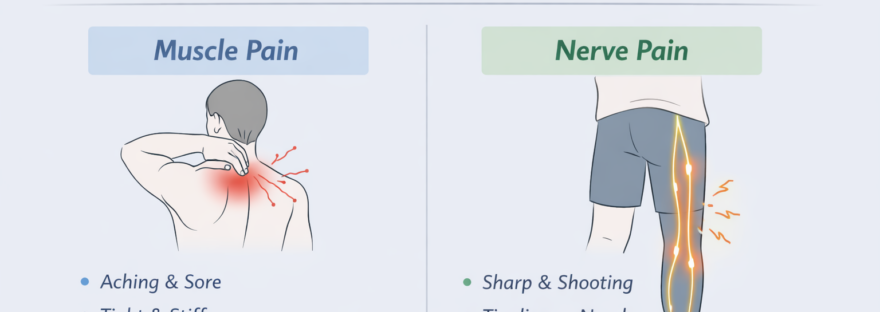
Sciatica isn’t actually a diagnosis on its own, it’s a symptom that happens when the sciatic nerve (the longest nerve in your body) gets irritated or compressed. This often feels like:

  • Sharp or burning pain down one side of the body
  • Tingling or numbness in the leg or foot
  • Weakness when moving the leg
  • Pain that gets worse when sitting for long periods

Common Causes of Sciatica

 Sciatica is often linked to:

  • Herniated or bulging discs
  • Spinal stenosis (narrowing of the spinal canal)
  • Muscle tightness (especially in the glutes and hamstrings)
  • Postural strain from sitting too much
  • Injuries like slips, falls, or sports related trauma

How Physiotherapy Helps Sciatica

At Durham Orthopedic and Sports Injury Clinic, our physiotherapists focus on relieving pain, restoring movement, and preventing flare ups. Treatment may include:

  • Manual therapy: Gentle hands on techniques to reduce nerve irritation and muscle tension.
  • Targeted exercises: To strengthen your core and stabilize your spine.
  • Stretching routines: To release tight muscles around the lower back and hips.
  • Posture & ergonomic advice: Small adjustments to how you sit, work, or sleep can make a big difference.
  • Education: Knowing what movements to avoid (and which to practice) helps prevent sciatica from coming back.

Why Choose Durham Orthopedic & Sports Injury Clinic?

Recovery is faster and safer when your treatment is tailored to your body, your lifestyle, and your pain triggers. Our team at Durham Orthopedic and Sports Injury Clinic have helped countless clients get back to work, sports, and everyday life without that constant nerve pain holding them back.

Don’t Let Sciatica Slow You Down

If sciatica is interfering with your day to day life, physiotherapy is a proven, drug free, and often a surgery preventing solution. Contact us today to book your appointment

woman putting an ice pack on her neck pain
Uncategorized

5 Everyday Habits That Could Be Causing Your Neck Pain

Neck pain has become one of the most common complaints among adults, especially with the rise of remote work and endless screen time. While serious injuries or conditions can be behind the discomfort, more often than not, it’s the little things you do every day that add up and strain your neck.

Here are five everyday habits that could be the real culprit behind your neck pain and some simple fixes to help you feel better.

1. Poor Posture at Your Desk

Spending hours hunched over a laptop or slouching in a chair puts extra stress on the muscles and joints in your neck. Over time, this “tech neck” posture leads to stiffness, soreness, and even headaches.

Quick Fix: Adjust your monitor so it’s eye level, sit back in your chair with your shoulders relaxed, and take short breaks to stretch every 30–45 minutes.

2. Cradling Your Phone

Holding your phone between your ear and shoulder while multitasking may feel convenient, but it forces your neck muscles into awkward positions. Do this often enough, and tension builds quickly.

Quick Fix: Use headphones or speakerphones instead of tilting your head sideways.

3. Sleeping in Awkward Positions

Your neck needs proper support while you sleep. Sleeping on your stomach, using too many pillows, or sleeping with your neck twisted can leave you waking up sore.

Quick Fix: Aim to sleep on your back or side with a supportive pillow that keeps your neck in line with your spine.

4. Heavy Bags & Backpacks

Carrying a heavy shoulder bag or backpack unevenly puts strain on one side of your body. Your neck muscles work overtime to compensate, often leading to tightness and discomfort.

Quick Fix: Lighten your load and use a backpack with two straps to distribute the weight evenly.

5. Too Much Screen Time

Whether it’s scrolling on your phone or binge-watching TV, looking down at screens for long stretches strains your neck muscles. This repetitive strain is one of the leading causes of chronic neck pain today.

Quick Fix: Bring your phone or tablet up closer to eye level, take regular breaks, and mix screen time with movement.

When to See a Physiotherapist

If your neck pain lingers for more than a few days, interrupts sleep, or is accompanied by numbness or tingling in your arms, it’s time to seek professional help. Physiotherapists can assess your movement, identify the root cause, and provide treatment that not only relieves pain but prevents it from coming back.

Takeaway: Small daily habits can make a big difference in how your neck feels. By making a few adjustments, you can prevent pain before it starts and keep your body moving comfortably.

If you are experiencing neck pain contact the Durham Orthopedic and Sports Injury Clinic to book an appointment with one of our physiotherapists or massage therapists. Our clinic offers personalized treatment plans to help you recover quickly and safely.

Uncategorized

Preventing and Treating Soccer Ankle Injuries 

Soccer is one of the most popular sports in the world. It’s played year-round in leagues, schools, and at recreational levels. But with all the running, quick direction changes, and contact, ankle injuries are extremely common among soccer players.

Whether you play for fun or you’re a competitive athlete, knowing how to prevent and treat soccer ankle injuries can keep you in the game and off the sidelines.

Common Soccer Ankle Injuries

Soccer players are most prone to:

  • Ankle sprains – Ligament damage from rolling or twisting the ankle.
  • Tendonitis – Overuse inflammation in the tendons around the ankle.
  • Fractures – Breaks caused by collisions or falls.
  • Achilles tendon injuries – Strain or rupture of the tendon at the back of the ankle.

How to Prevent Soccer Ankle Injuries

1. Warm Up Properly

Start every practice or game with dynamic stretches and light jogging. Warming up increases blood flow to the muscles and ligaments, making them more flexible and less prone to injury.

2. Strengthen Your Ankles

Strong ankle and calf muscles provide better stability. Simple physiotherapy-approved exercises include:

  • Calf raises
  • Single leg balance
  • Resistance band ankle rotations

3. Wear Proper Footwear

Choose soccer cleats that fit well and provide adequate ankle support. Replace worn out shoes to maintain traction and stability.

4. Watch the Playing Surface

Uneven fields increase the risk of rolling your ankle. Be mindful of holes, bumps, and slippery spots.

Treating a Soccer Ankle Injury

If you injure your ankle, early treatment is key:

Step 1 – Rest & Protect
Avoid putting weight on the ankle until it’s assessed.

Step 2 – Ice
Apply ice for 15–20 minutes every 2–3 hours during the first 48 hours to reduce swelling.

Step 3 – Compression & Elevation
Use an elastic bandage and keep your ankle elevated to minimize swelling.

Step 4 – Physiotherapy
A physiotherapist can:

  • Assess the extent of the injury
  • Provide hands-on treatment to reduce pain and inflammation
  • Guide you through safe, progressive rehab exercises
  • Prevent future injuries with balance and strength training

When to See a Physiotherapist

If you have severe swelling, difficulty walking, or your pain isn’t improving after a few days, contact the professional physiotherapists at the Durham Orthopedic and Sports Injury Clinic.

Uncategorized

5 Everyday Habits That Can Prevent Back Pain

Back pain is one of the most common reasons people visit a physiotherapist  and for many, it starts with small daily habits that add up over time. The good news? A few simple changes to your routine can help keep your spine healthy and pain free.

Here are five everyday habits recommended by our physiotherapy team to help prevent back pain.

1. Mind Your Posture 

Slouching at your desk or hunching over your phone puts extra strain on your spine. Over time, poor posture can lead to chronic discomfort.


How to fix it:

  • Keep your ears, shoulders, and hips aligned when sitting or standing.
  • Use a supportive chair that encourages a neutral spine.
  • Take “posture breaks” every 30–60 minutes to reset.

Even small posture improvements can reduce the risk of long-term back issues.

2. Stay Active Every Day

Your spine loves movement. Long periods of sitting can cause stiffness and weaken the muscles that support your back.
Try this:

  • Aim for at least 30 minutes of light-to-moderate activity each day (walking, cycling, swimming).
  • Add simple core strengthening exercises to support your lower back.
  • If you work at a desk, stand up and move every hour.

3. Lift the Right Way

Many back injuries happen when lifting objects incorrectly, even something as light as a laundry basket.
Safe lifting tips:

  • Bend at your knees, not your waist.
  • Keep the object close to your body.
  • Avoid twisting while lifting and turn your whole body instead.

4. Sleep in a Spine Friendly Position

Your back needs proper rest, and the wrong sleeping position can cause morning stiffness or aggravate existing pain.
Better sleep for your back:

  • Sleep on your back or side rather than your stomach.
  • Use a supportive mattress and pillow that keep your spine in alignment.
  • Place a pillow between your knees when sleeping on your side to reduce pressure

5. Manage Stress and Breathe

Stress can cause your muscles  especially in your back and shoulders to tighten. This constant tension can contribute to pain over time.
Ways to reduce stress on your body:

  • Practice deep breathing exercises to relax tight muscles.
  • Try yoga, meditation, or gentle stretching in the evenings.
  • Make time for activities that help you unwind.

When to See a Physiotherapist

If you’re already experiencing back pain that doesn’t improve with rest, or it’s interfering with your daily life, a physiotherapist can help identify the cause and create a personalized treatment plan.

At Durham Orthopedic & Sports Injury Clinic , we help patients prevent and recover from back pain with:

  • Hands-on physiotherapy treatments
  • Guided exercise programs
  • Posture and ergonomic education

Contact the Durham Orthopedic and Sports Injury Clinic to book an appointment with one of our physiotherapists. Our clinic offers personalized treatment plans to help you recover quickly and safely.

Uncategorized

Common Basketball Injuries

Basketball is fast, explosive, and tough on the body, especially when you’re driving to the hoop or hustling on defence. But often with all that movement, jumping, and pivoting, basketball players experience injuries.

Whether you’re playing for fun or playing competitively, here are some of the most common basketball injuries we see at the Durham Orthopedic & Sports Injury Clinic  and how physiotherapy can help you recover faster and stronger.

1. Ankle Sprains

Ankle sprains are by far the most common basketball injury,  usually from landing awkwardly or rolling your ankle after a jump.

Physiotherapy can help by:

  • Reducing swelling and pain
  • Restoring range of motion
  • Rebuilding stability and balance so it doesn’t happen again

2. Knee Injuries (ACL, MCL, Patellar Tendonitis)

ACL and MCL injuries are serious and often need longer rehab, while jumper’s knee (patellar tendonitis) is common from repeated jumping.

Physiotherapy can help by:

  • Creating a custom  balance and proprioception retraining program to get you ready to get back to your sport with a decrease chance of reinjury
  • Focusing on quads, glutes, and core muscle strengthening and control
  • Guiding you safely back to sport with a gradual return-to-play plan

3. Hamstring Strains

Hamstrings can take the brunt of sudden bursts.

Physiotherapy can help by:

  • Managing the initial tear (if it’s acute)
  • Improving flexibility and strength balance
  • Teaching dynamic warm-ups to prevent re-injury

4. Shoulder Injuries

Basketball players aren’t just using their legs, blocking shots, overhead passes, or taking a hard fall can all put strain on the shoulders.

Common shoulder issues:

  • Rotator cuff strains
  • Labral tears
  • AC joint sprains

Physiotherapy can help by:

  • Reducing inflammation and improving range of motion
  • Strengthening rotator cuff muscles
  • Correcting posture and mechanics

5. Finger Injuries (Jammed or Fractured)

Jammed fingers and dislocations are super common  and can linger if not treated right.

Physiotherapy can help by:

  • Restoring motion after immobilization
  • Improving grip strength and dexterity
  • Taping techniques to prevent further issues

Concussions

They don’t just happen in football. An accidental elbow to the head or a bad fall can lead to a concussion. Always take it seriously.

Physiotherapy can help by:

  • Vestibular therapy for dizziness or balance issues
  • Gradual return to play protocols
  • Managing symptoms like headaches and light sensitivity

Don’t Play Through It, Heal Smarter

Basketball is a high-impact sport, but that doesn’t mean you need to sit out for weeks or months. Seeing a physiotherapist early can mean a faster, more complete recovery  and fewer injuries down the road.

If you’ve been hurt on the court  or something just doesn’t feel right. Contact us today to book an appointment and let’s get you back in the game. 

A man suffered a serious knee injury after suffering anterior
Uncategorized

Meniscus Tear? Here’s How Physiotherapy Can Help You Heal Without Surgery

If you’re feeling a sharp pain in your knee, especially when twisting or squatting, you might be dealing with a meniscus tear.

Whether it happens during sports, at the gym, or just stepping off the curb the wrong way, a torn meniscus can seriously slow you down. But here’s the good news, physiotherapy for meniscus injuries can help you recover and in many cases, avoid surgery altogether.

What Is the Meniscus, Anyway?

The meniscus is a rubbery piece of cartilage in your knee that acts like a shock absorber. You’ve got two in each knee, one on the inside (medial) and one on the outside (lateral). The knee meniscus acts as a shock absorber and helps stabilize the knee joint.

A torn meniscus can result from any activity that causes you to forcefully rotate or twist your knee. This includes a sudden stop or turn or an aggressive pivoting action. Even deep squatting or lifting something heavy with knees bent can lead to a torn meniscus.

Common Meniscus Tear Symptoms

  • Pain when squatting, twisting, or going down stairs
  • Swelling and stiffness in the knee
  • Clicking, catching, or locking
  • Trouble fully straightening the leg
  • Feeling like your knee’s going to “give out”

Do You Always Need Surgery for a Meniscus Tear?

Physiotherapy can help with the healing of meniscus tears especially if:

  • The tear is small or on the outer edge
  • You can walk without severe pain
  • You’re not dealing with a complex tear or major instability

Surgery is still needed in some cases (especially for younger athletes or larger tears), but conservative treatment with physiotherapy is often the smarter first step.

How Physiotherapy Helps Heal a Torn Meniscus

When you work with a physiotherapist who specializes in knee injuries, the goal is to reduce pain, restore movement, and build back strength.

Physiotherapy treatment may include:

Pain + Swelling Control

Physiotherapy starts with trying to reduce the inflammation. This may include education on frequent icing and elevation, taping, and manual therapy.

Mobility Work

With a torn  meniscus you will probably lose some range of motion. We guide you through safe movements to restore full flexion and extension.

 Strength Training

Your quads, hamstrings, and glutes all support your knee. Physiotherapy includes strengthening these muscles to stabilize the knee and prevent further injury.

 Balance + Stability Drills

A torn meniscus affects the stability of the knee. Neuromuscular training after a meniscus tear focuses on balance, coordination and muscle control and helps restore proper knee function, improve strength and stability, and reduce the risk of re-injury.

 Return to Activity Planning

Whether it’s walking, squatting, or getting back to sports, physiotherapy can  help you get there with a structured, progressive plan.

Ready to Get Moving Again?

Don’t let knee pain sideline you. Contact the physiotherapists at the Durham Orthopedic & Sports Injury Clinic today to book an appointment!

Uncategorized

Sports Injury? Massage Therapy Can Help You Bounce Back 

If you’ve pulled a muscle, tweaked your knee, or just overdid it at the gym, the good news is, massage therapy can help you recover faster, move better, and get back to doing what you love.

If you live in Pickering or the Durham Region, we are local too, so getting the care you need is easy.

Massage Therapy Isn’t Just for Relaxing

Sports massage helps with:

  • Muscle strains and sprains
  • Tendon issues (hello, tendonitis)
  • Joint stiffness
  • Post-workout soreness
  • Rebuilding strength after injury

Our Registered Massage Therapists (RMTs) provide a targeted treatmen to loosen tight muscles, reduce inflammation, and help your body heal.

We Know How Active People Move 

Whether you’re into hockey, lifting, running, or weekend pickup games, we understand how sports can impact your body. 

Every session is tailored to your injury and your goals. 

Stay in the Game

Sports massage doesn’t just help you heal, it helps you stay injury free, improve your range of motion, and keep your body ready for whatever’s next.

Many  of our clients book regular massages as part of their training routine. 

Local, Covered by Insurance, and Easy to Book

We are located in Pickering Village, and we make it easy with direct billing to most insurance providers. 

Contact us today to book your massage and get you moving again.

Uncategorized

Dealing With a Workplace Injury? Physiotherapy Can Help You Heal and Get Back to Work

Whether you’ve hurt your back lifting at work, tweaked your shoulder on the job, or just pushed your body too hard day after day, physiotherapy can help you recover faster, move better, and get back to normal function

Workplace injuries are more common than most people think and they don’t just happen in construction or warehouses. They can happen in offices, clinics, kitchens or retail stores.

Common Work Injuries We See All the Time:

  • Back pain from lifting or long hours on your feet
  • Shoulder and neck tension from repetitive motions or poor posture
  • Wrist and hand issues from typing or tool use
  • Knee pain from slips, falls, or physical strain
  • Muscle strains and sprains from pushing past your limit

These injuries might start small, a little stiffness, a bit of soreness but without proper treatment, they often get worse.

How Physiotherapy Helps

Our goal is to help you:

  • Reduce pain and inflammation
  • Regain strength, flexibility, and movement
  • Prevent future injuries
  • Get back to work safely and confidently

Whether you’re on modified duties or trying to get back to full time work, physiotherapy can help speed up recovery and keep you moving safely.

If your injury happened at work and it’s reported to WSIB, you may be eligible for treatment with no out of pocket cost. 

Contact the Durham Orthopedic & Sports Injury Clinic to book your appointment today. We’ve helped many patients in Pickering and across the Durham Region recover after workplace injuries.